What “Unknown” Means on a Weatherford Foundation Disclosure
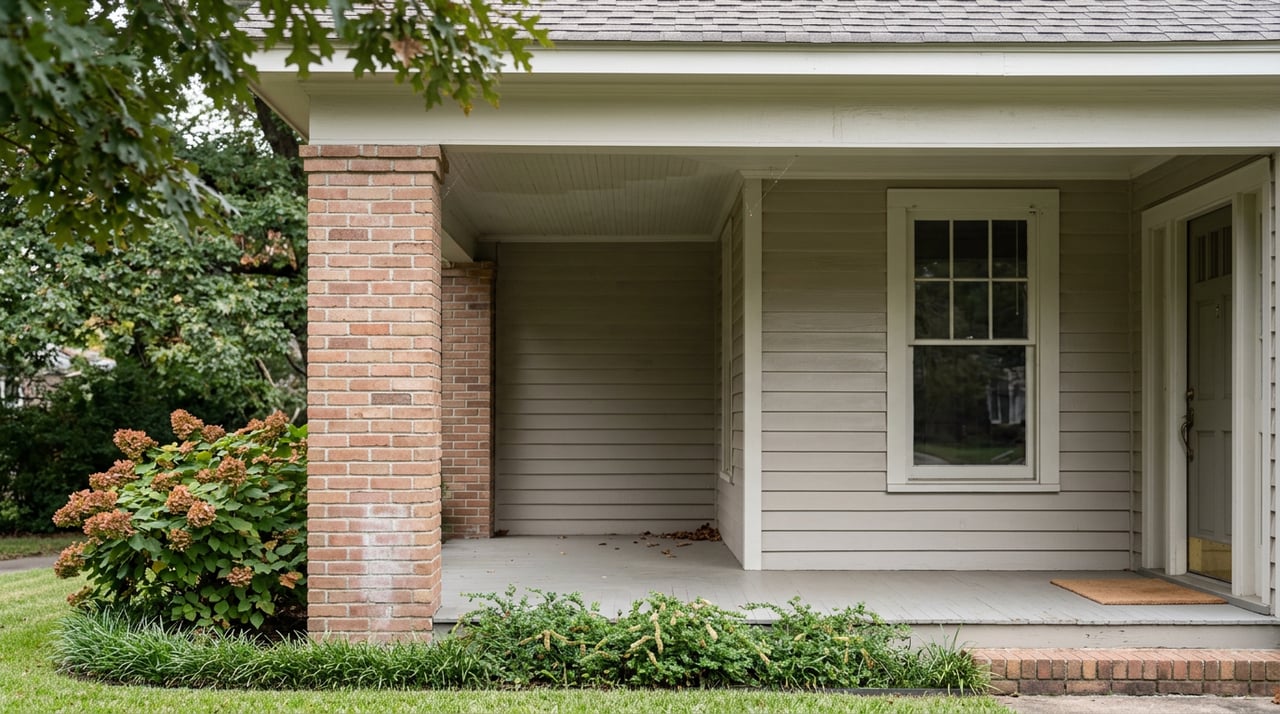
A buyer touring a Queen Anne two blocks off the Parker County Courthouse square finds a house that looks exactly like the postcard version of Weatherford: deep porch, tall windows, more character per square foot than anything built after 1980. Then they read the Seller's Disclosure Notice and land on the foundation question. The box says "unknown."
That word feels like a dodge. It isn't. Under Texas Property Code Section 5.008, a seller who genuinely doesn't know a home's repair history is required to write "unknown" and that answer alone satisfies the law. The statute is direct about it: the notice must be completed "to the best of seller's belief and knowledge," and if something falls outside that knowledge, marking it unknown puts the seller in full compliance. No violation. No paper trail owed. Nothing left for a buyer to lean on.
That's the piece of this market most guides skip. The disclosure form was built for a seller who lived through whatever happened to their house. Weatherford's historic core is full of houses that have outlived four or five owners since the form even existed, which means the box can be checked "unknown" in perfectly good faith while hiding a real, expensive, undocumented problem. And the fix isn't legal, it's practical: know which parts of town make that gap more likely, and know what to ask for instead of trusting the checkbox.
Weatherford's housing stock splits cleanly along a line that has nothing to do with price and everything to do with age and soil.
The historic district clustered around the 1886 Parker County Courthouse holds more than 60 Queen Anne, Victorian, and other architecturally significant homes built at the turn of the last century, many still standing on their original pier-and-beam foundations. These lots sit on Parker County's expansive clay, the same soil that swells when it rains and pulls away during dry stretches, putting slow, cyclical pressure on whatever sits above it. A century of that cycle on a foundation built before modern engineering standards existed is a very different proposition than the same cycle acting on a home poured in the last decade.
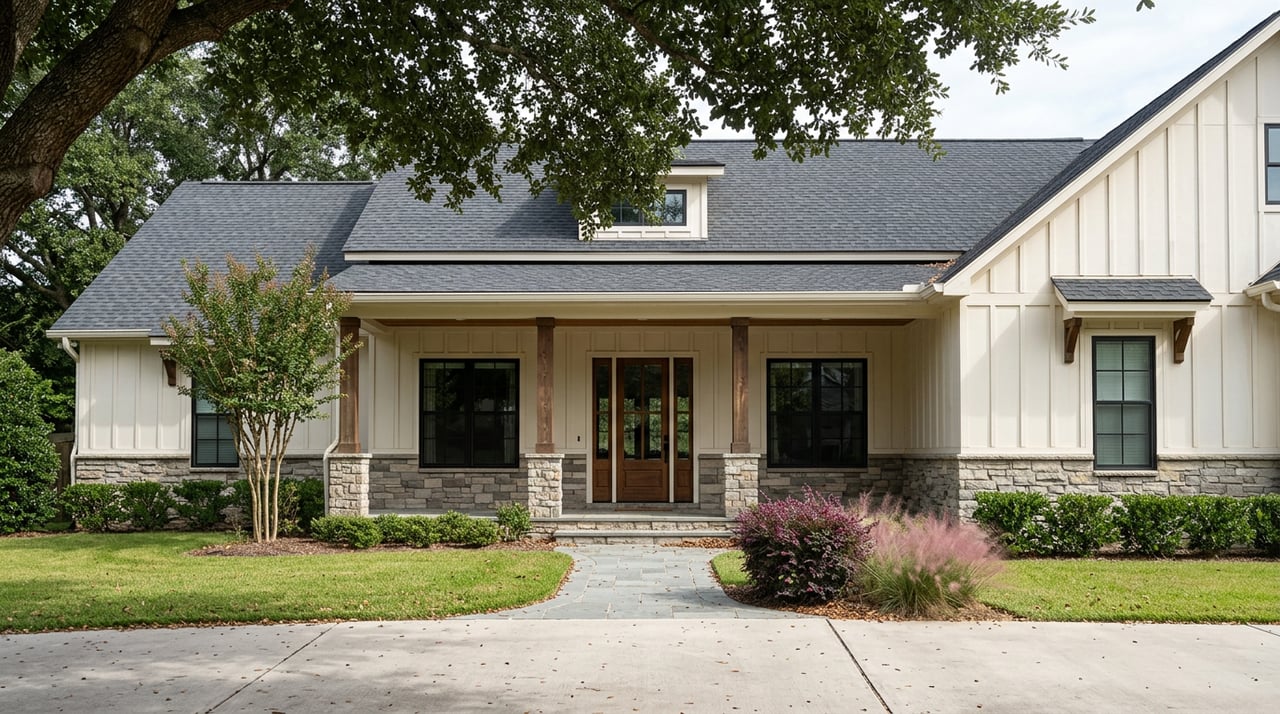
Out on the fringe, subdivisions like Clear Creek Estates and Oakridge Estates, along with the acreage tracts off FM 920 and FM 1885, sit on sandier, looser soil that horse owners specifically seek out for arena footing. That same soil behaves more predictably under a foundation, which is one reason equestrian buyers gravitate there. These homes are also newer, which means fewer owners, shorter chains of custody, and a much better chance that if a repair happened, someone still has the invoice.
Same city. Same disclosure form. Two entirely different odds that "unknown" is actually hiding something.
The Texas Association of Realtors version of the disclosure asks directly about "Previous Foundation Repairs." The TREC form frames it more broadly as "Previous Structural or Roof Repair." Either way, once a seller has personal knowledge of a defect, current or past, repaired or not, the law expects it on the form. Sellers who knowingly leave it off don't just risk a bad review. They risk a claim under the Texas Deceptive Trade Practices Act, which can carry treble damages, three times the actual repair cost, plus attorney's fees.
That penalty is real and it does the intended job for sellers who know something and choose to hide it. It does nothing for sellers who never learned it in the first place, which is exactly the situation a lot of historic district owners are in. A house that changed hands in 1975, 1998, and 2019 may have had foundation work done under an owner two or three transactions back, work that was never logged with the county, never mentioned at the next closing, and is now invisible to everyone currently involved.
Because the paperwork can't be trusted evenly across the market, the physical signs matter more here than in a subdivision full of ten-year-old slabs. The tells are the same ones inspectors look for anywhere in North Texas: stair-step cracks following the mortar lines in exterior brick, cracks radiating from door and window corners, doors and windows that stick or won't latch, floors that read as sloped or bouncy underfoot, and visible gaps where trim has pulled away from brick or siding.
The difference is what those signs mean depending on the foundation underneath. A pier-and-beam house has more give in the frame, so it can absorb a fair amount of soil movement before anything looks wrong. It just moves its vulnerability elsewhere, into the wood, which is exposed to decay and insect damage in a way a slab never is. A slab foundation is rigid by design, so it tends to show cracking and unevenness sooner, but the failure mode is more straightforward to diagnose once an engineer is involved.
A TREC-licensed inspector can note these conditions.
| Historic District (pre-1930) | Fringe subdivisions & acreage (Clear Creek Estates, Oakridge Estates, FM 920/1885 corridor) | |
|---|---|---|
| Typical foundation | Pier and beam | Slab |
| Soil type | Expansive clay | Sandy loam |
| Owner history | Often 4+ owners since construction | Usually 1-2 owners |
| Disclosure reliability | Lower, "unknown" is often legitimate | Higher, repairs usually documented |
| What to request | Independent P.E. inspection before option period ends | Copies of repair invoices and transferable warranties |
Regional foundation repair costs run from roughly $3,500 to $8,000 for smaller, localized settlement and $15,000 to $30,000 or more for larger jobs involving multiple piers or extensive releveling. Waiting to address a known issue can double or triple that cost within three to five years as the movement spreads into plumbing and flooring. That range is worth knowing before making an offer, not after the inspection report lands.
Does a foundation repair from decades ago still need to be disclosed? Yes, if the current seller has personal knowledge of it. The gap this article is about exists precisely because knowledge doesn't always survive a change of ownership
Can a buyer get a structural engineer's opinion before making an offer? Yes, and on an older home in the historic district it's worth arranging before the option period is close to expiring rather than after.
Is sandy-loam soil on the fringe immune to foundation issues? No soil is immune, but sandy loam moves less dramatically than the clay under the historic core, which is part of why it's sought after for arenas and why foundation problems tend to surface less often and less severely on those lots.
Foundation questions in Weatherford aren't about whether the soil moves. It does, everywhere in Parker County. They're about whether anyone still alive to the transaction actually knows what that soil has already done to a given house. That's a conversation worth having with someone who works this market street by street, not just county by county.
If you're weighing a historic-district charmer against a newer build on the fringe, or trying to figure out what a disclosure form is really telling you, Lori Mayo Real Estate Group can walk the property with you and help line up the right inspection before your option period runs out. Start your home or land journey. Talk with our local Springtown team today.
This article is general information, not legal, tax or financial advice. Consult a qualified professional about your situation.
Stay up to date on the latest real estate trends.