Eagle Mountain Lake "Waterfront" Isn't One Market. It's Three, Wearing the Same Price Tag.
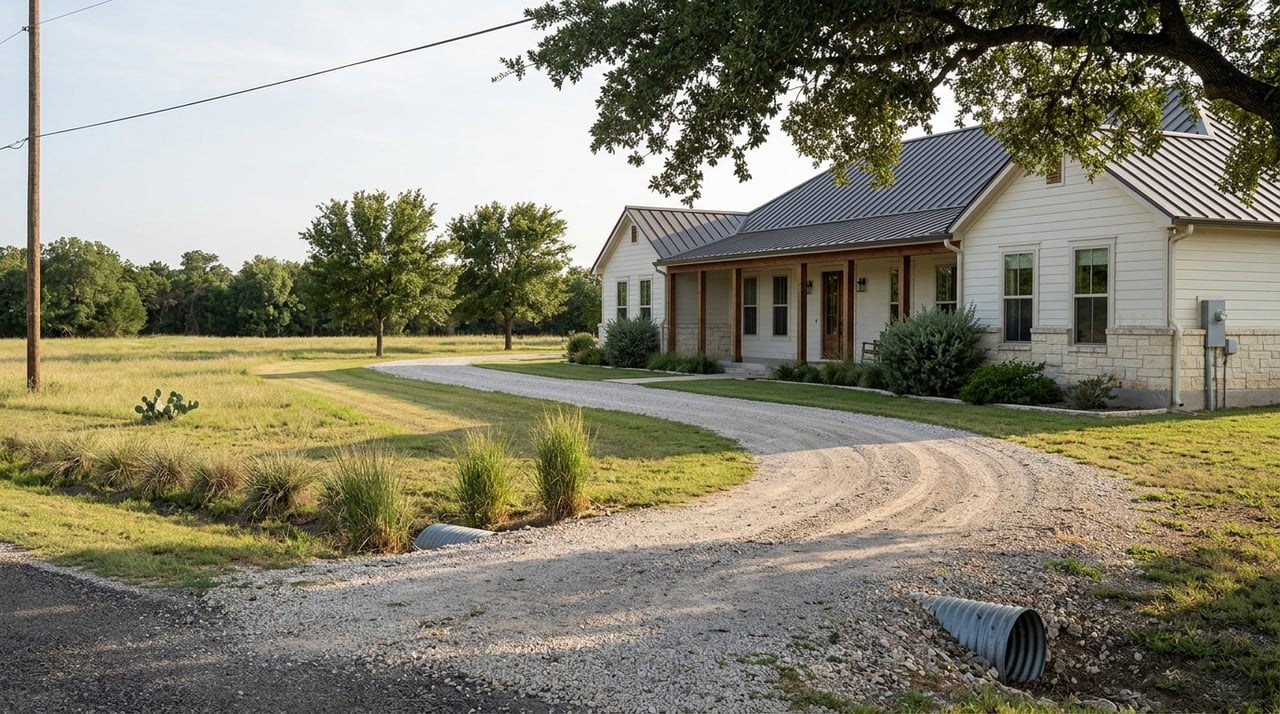
A buyer we talked with this spring had two listings pulled up side by side. Both said "waterfront." Both sat within a few hundred yards of each other on Eagle Mountain Lake. The prices were close enough to feel interchangeable.
They weren't. One lot sat on the open lake, which means any new dock or dock repair has to clear the Tarrant Regional Water District's permitting process before a single post goes into the water. The other sat inside an HOA-governed canal community where the dock already existed, already had a deeded slip, and any future change would go through the community's architectural committee instead of a state water authority. Same word on the listing sheet. Two completely different closings.
That gap is the thing nobody explains before you tour, and it's the reason the median price you see on a portal search means less than it looks like it does.
On this lake, the label collapses at least three distinct situations into one search filter:
Buyers comparing these as if they're the same product are the ones who get surprised, either by a permit timeline they didn't budget for or by an HOA fee structure they didn't expect on a home that looked like a simple resale.
Eagle Mountain Lake is not a natural lake. It was built as a reservoir on the West Fork Trinity River, with construction on the dam completed in October 1932 and impoundment beginning in 1934, and it has been owned and operated by the Tarrant Regional Water District since. That ownership matters at closing more than most buyers expect.
TRWD publishes permit guidelines specifically for Eagle Mountain Lake covering shoreline improvements, and it requires a special operating permit for any commercial activity on its property, a category that includes Eagle Mountain Park and other TRWD-owned recreational land around the lake. If your lot's frontage is on the open lake itself rather than inside a privately platted canal, TRWD is the agency you are working with before you touch a dock, not your HOA and not the county.
The question worth asking before you write an offer isn't "is this waterfront." It's "whose permit do I need before I can use the water the way I'm picturing."
The Resort at Eagle Mountain Lake illustrates the other end of this spectrum. It's a 540-acre master-planned neighborhood built around canal lots, a private boat launch, and its own golf course, and every exterior change, including dock work, requires written approval from the community's Architectural Control Committee before an owner can start. That's a private, HOA-run process layered on top of, or in some cases instead of, the state permitting a main-body lot owner would face.
Cape Royale, on the lake's east side, follows a similar covenant-governed model, with its own property owners association and committee structure overseeing the community rather than owners negotiating shoreline changes directly with TRWD.
The tradeoff is real. You give up some flexibility to a committee. In exchange, the dock is usually already built, already permitted, and already integrated into a neighborhood designed around the water rather than adjacent to it.
| Access type | Who governs the dock | What that means at closing |
|---|---|---|
| Open-water, main-body lot | Tarrant Regional Water District | Buyer applies directly to TRWD for new construction or repairs |
| Canal lot in an HOA community (The Resort, Cape Royale) | HOA Architectural Control Committee | Dock usually exists already; changes route through the HOA, plus dues |
| Near-lake, non-waterfront | Neither, typically | No dock, no HOA water covenant, lowest entry price |
As of early August 2026, Redfin's live listing count for Eagle Mountain shows roughly three dozen waterfront homes on the market at a median list price near $380,000, with typical homes spending about 50 days on market and drawing around three offers. That figure blends every tier above into one number.
Compare that to The Resort at Eagle Mountain Lake specifically. In the 30 days ending in mid-February 2026, homes there sold at a median of $625,000, up 5.9 percent year over year, at a median $237.30 per square foot, up 18 percent year over year, with a median 57 days on market. That data is now several months old and this is a small, low-volume market where a handful of sales can swing the percentages, so treat the exact figures as a snapshot rather than today's price. What holds up regardless of the exact dollar amount is the structural point: a single governed canal community priced meaningfully above the lake-wide blended median, because the buyer there is purchasing bundled, pre-permitted access rather than the right to start a permit application.
A lake-wide "waterfront" median is an average of a TRWD-permitted lot, an HOA-bundled canal slip, and everything in between. Neither end of that range is what the median describes.
One detail that surprises buyers who aren't anglers: Texas Parks and Wildlife notes that the lower and mid-lake areas have numerous fishing piers and boat houses that act as cover and structure for fish, and that white crappie in particular congregate around boat houses in the lower end of the lake during summer. If you're evaluating a lot with an existing dock or boathouse, tearing it out isn't a cosmetic decision. It removes structure that the lake's bass and crappie populations are actively using, which matters if fishing access is part of why you're looking at this lake in the first place.
Does every waterfront home on Eagle Mountain Lake require a TRWD permit for dock work? No. Homes with direct frontage on the open lake typically fall under TRWD's improvement guidelines for the lake. Homes inside privately governed canal communities usually route dock requests through the HOA's architectural committee first, since the community itself, not the individual lot, holds the underlying water access agreement.
Why did a single community's numbers move so much in a year? Small, low-inventory markets like a 540-acre master-planned canal community can post large percentage swings from a handful of closings. A 5.9 percent price move or an 18 percent per-square-foot move in a market this size reflects a few transactions, not a broad trend, which is exactly why comparing one HOA community's stats to the lake-wide median tells you more about product type than about the market moving.
Is all "waterfront" on the main body of the lake? No. Some of what gets marketed as waterfront sits on internal canals inside master-planned communities rather than on the open lake itself. The physical experience, the view, the boat access, and the governing authority all differ between the two.
Comparing Eagle Mountain Lake listings on price alone will tell you less than knowing which agency or which committee actually governs the water access attached to each one. That's the kind of detail that shows up mid-transaction, not on the listing sheet.
If you're weighing a main-body lot against a canal home in The Resort or Cape Royale, or trying to figure out what a near-lake, non-waterfront property actually saves you, Lori Mayo Real Estate Group has walked these specific communities with buyers before. Talk with our local team before you tour. We know which permit applications take time and which HOAs you'll actually be joining.
Stay up to date on the latest real estate trends.