Walsh Promised a Town Center in 2017. The First Real Piece Lands This December.
If you live in Walsh and someone asks what the neighborhood is missing, you probably don't have to think long. It's not parks. Lake Park has a nine-acre lake with an 80-foot dock. Overlook Park sits at 980 feet with a 35-foot slide and a view of the downtown skyline. Theater Park has a Rockwell-designed play structure and a 100-foot zip line. None of that has ever been the gap.
The gap has been everything else. Since the first homeowners moved in back in April 2017, Walsh has built neighborhoods faster than it's built anywhere to shop, work, or bank. That's not a criticism, it's how the development itself has described its own pace: residential construction ran ahead of commercial for years while the town centers and mixed-use blocks promised in the original master plan stayed mostly on paper. If you've been driving to Aledo or into Fort Worth for a real grocery run, that's the reason.
This is the year that starts to change, and the reason it's changing now, rather than at some vague future phase, is worth understanding if you live here.
Construction on a new H-E-B broke ground last fall at the corner of FM 3325 and the I-20 service road, a few miles from Walsh's residential core. The store is on track to finish by December 2026. That single fact matters more than it might sound, because a full-size grocery store has been the most requested, most delayed piece of Walsh's promised commercial footprint since the community opened.
The University of Texas at Arlington is building a second campus, UTA West, at the intersection of I-20 and I-30 in Parker County, right at Walsh's front door. It's expected to serve more than 10,000 students when it opens in 2028. Worthington Bank has plans for an eight-story headquarters tower at Walsh Ranch Parkway and I-30. None of these are amenities in the traditional sense. They're the kind of infrastructure that turns a subdivision into a place with its own economy, its own foot traffic, its own reasons for people who don't live here to show up anyway.
Seth Carpenter, senior vice president at Republic Property Group, said the expansion reflects the developer's long-term thinking about the community, describing it as a vision for Walsh as:
"a connected, livable community designed to meet the needs of current and future residents."
That's a developer's quote, and it reads like one. But the timing lines up with what's actually landing on the ground, which is rarer than it sounds in master-planned community press releases.
| What | Where | Status |
|---|---|---|
| New H-E-B | FM 3325 at I-20 service road | Construction underway, complete by December 2026 |
| UTA West campus | I-20 and I-30, Parker County | Broke ground, opening 2028, 10,000+ students planned |
| Worthington Bank HQ tower | Walsh Ranch Parkway and I-30 | Eight stories planned |
| 959-lot residential expansion | South and east of Lake Park toward Cline Park | Initial lots delivered, remaining deliveries through 2027 |
Two of these four things are grocery and banking, the unglamorous daily-errand infrastructure that residents have been waiting on. One is a university that will bring thousands of people through the corridor who have nothing to do with Walsh's home sales. The fourth is more homes, which tells you the neighborhood isn't slowing its residential pace even as it finally builds out the other half of the plan.
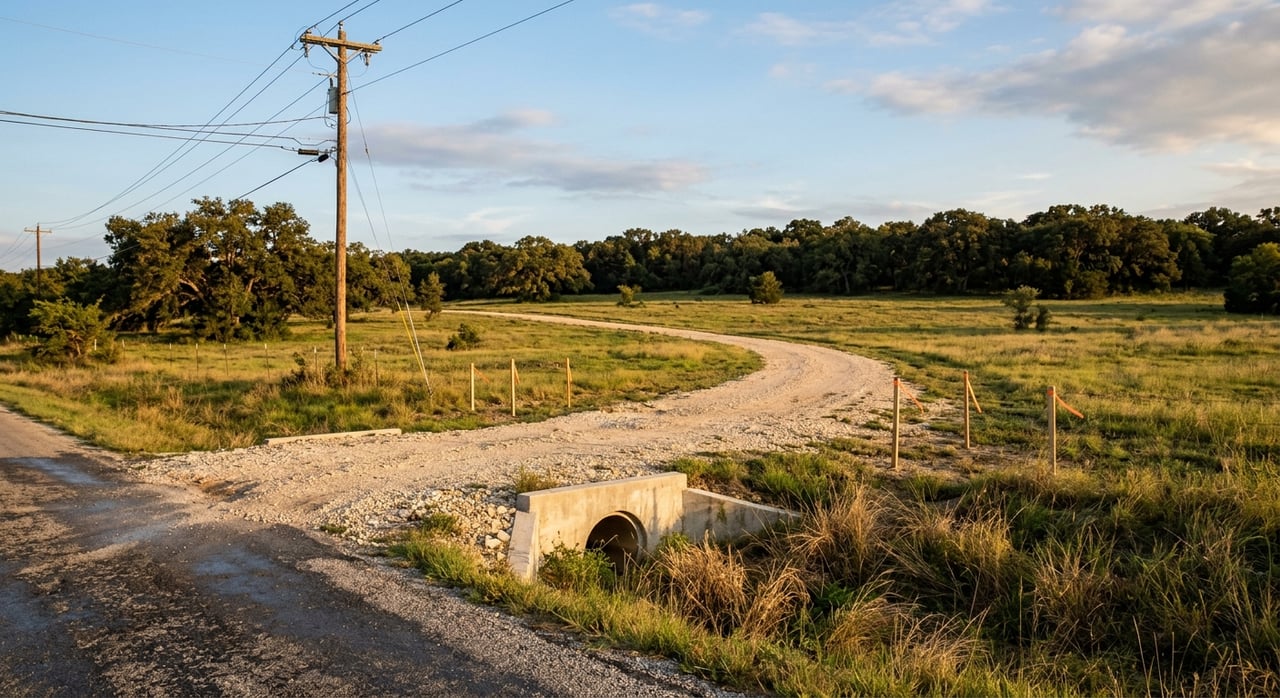
Here's the piece that's easy to miss if you only read the amenity list. Last year, the Fort Worth City Council approved a special tax district, a public improvement district, covering the full 7,200-acre Walsh footprint. Along with the current expansion, Republic has said the new phases will include an alternate entrance and exit onto the I-20 frontage road and an additional east-west connection through the property.
That's not a footnote. A PID is how a development like this pays for the roads, the frontage connections, and the utility work that make a grocery store, a bank tower, and a university campus actually reachable without funneling every car through the same two intersections that have handled Walsh traffic since 2017. The special tax district approved in 2025 and the frontage road work described in this year's expansion announcement are describing the same problem from two different angles: get more roads in place before you add more destinations. If you've noticed construction activity near the frontage road that doesn't obviously connect to any new house, this is likely why.
It also explains something about sequencing. Walsh could have marketed a grocery store or a bank tower years ago as a rendering. What's different in 2026 is that the road capacity to support that traffic is being built at the same time, not after the fact.
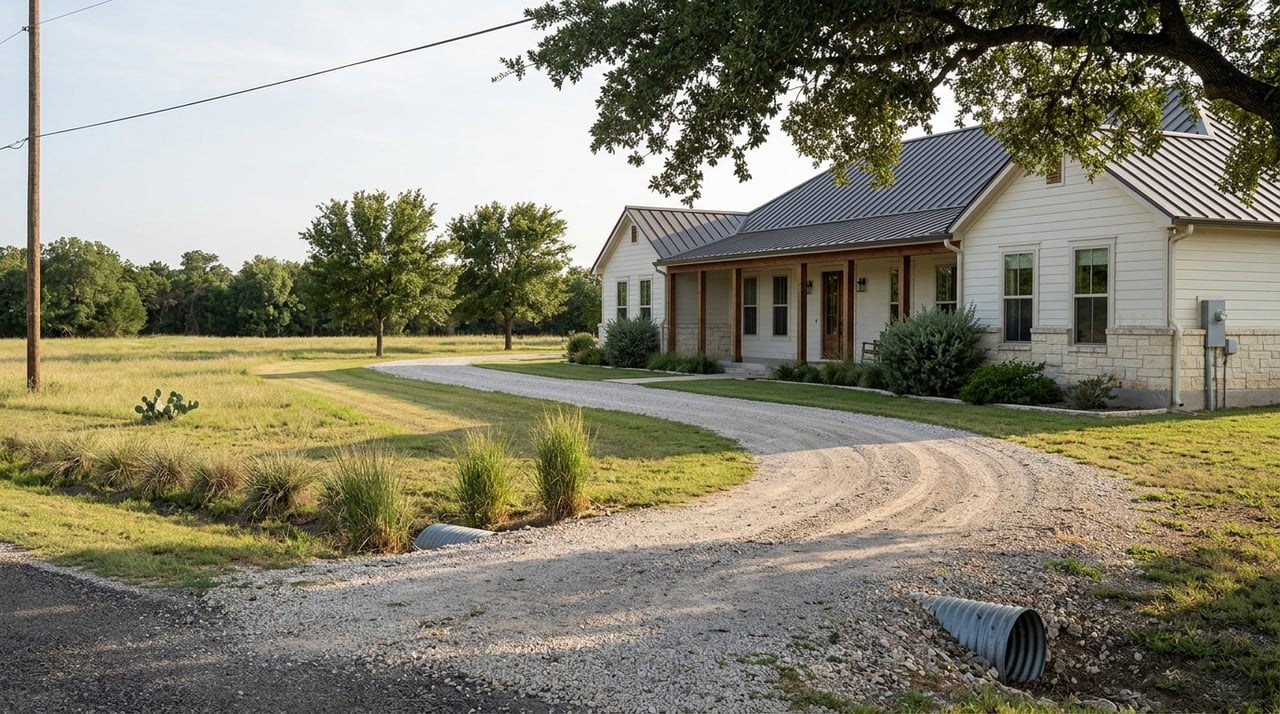
None of this pauses the residential side. The current expansion adds roughly 959 new lots, extending the Lake Park neighborhood south and east toward Cline Park. The builder lineup includes familiar names, Britton Homes, Perry Homes, Drees Homes, David Weekley Homes, and Highland Homes, plus a new addition to the roster, Hark Homes. Construction is already underway, with initial lots delivered and more scheduled throughout 2026 and into 2027.
For context on how fast this has moved: Walsh counted about 320 residents in 2019. By 2023, that number had grown past 2,500. The pace hasn't slowed, and this latest expansion is proof the community isn't treating the arrival of commercial infrastructure as a finish line. It's treating it as the piece that was always supposed to come alongside the houses, arriving a few years later than the houses did.
Cline Park itself, the neighborhood this expansion is extending toward, has been the custom-home end of Walsh, with larger homesites and higher price points than the garden homes and townhomes filling in closer to the Village. The new lots extending toward it suggest more variety in what gets built next, not a shift away from the mix of home types that's defined Walsh from the start.
If you've been in Walsh for a year or three, the honest version of this update isn't "look at all these amenities." You already know the parks. You already know the trail network connects almost everything within a five-minute walk. What you may not have connected is that the frontage road work near your subdivision, the special tax district on your tax statement, and the grocery store construction site off FM 3325 are all part of the same story: the commercial promise catching up to the residential reality, funded in a way that's finally visible if you know where to look.
The nine-year wait for a full grocery store inside a reasonable drive is ending on a specific date, December 2026. The university that will bring a different kind of daily traffic through the area is two years out. The roads to handle both are being paid for right now, through a mechanism most residents have never had reason to think about until this year made it relevant.
That's the part of the update worth knowing. Not that Walsh has amenities. That the piece it's been missing since 2017 has a firm delivery date, and the money to make the rest of it work is already flowing.
If you're weighing a move within Walsh, watching how a nearby parcel might be affected by the Lake Park extension, or just want a straight answer about what a new PID assessment actually funds, Lori Mayo Real Estate Group works this corridor daily and can walk you through what's changing and what it means for your address specifically. Start your home or land journey, talk with our local Springtown team today.
Stay up to date on the latest real estate trends.