Parker County Land Use Guide For Home And Ranch Buyers
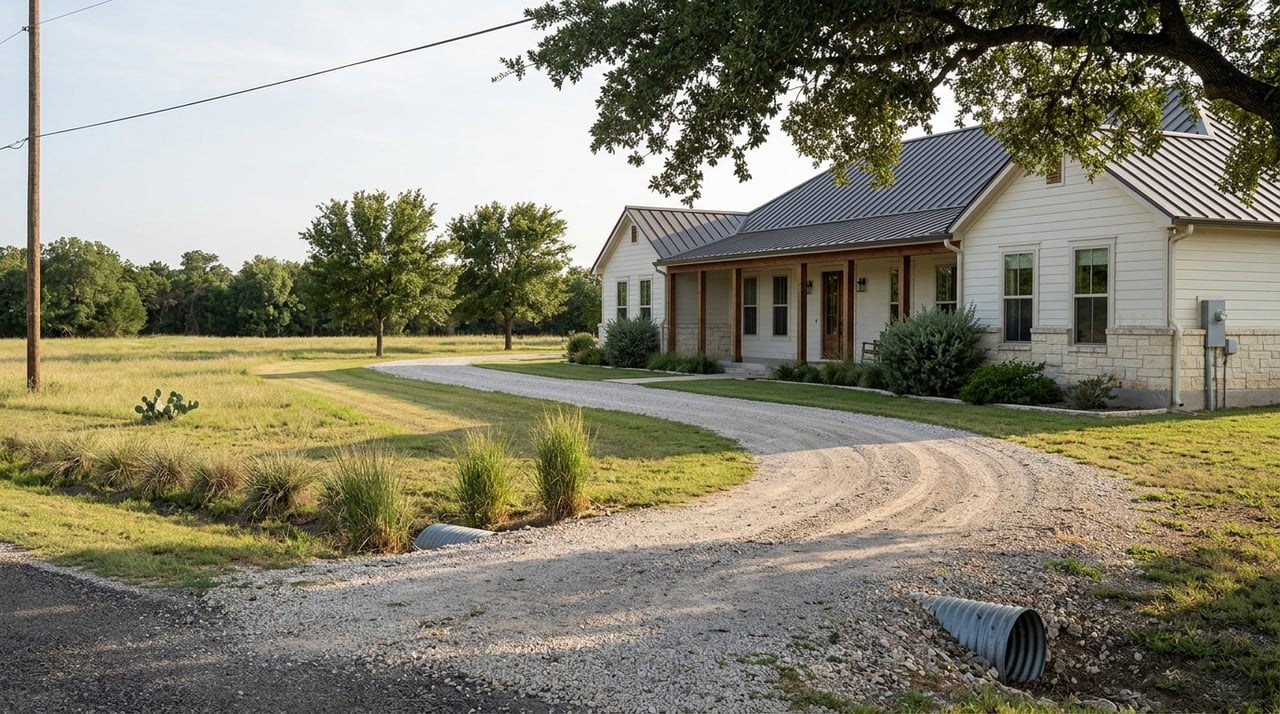
Buying land in Parker County can feel simple at first glance, until you realize one property can have very different rules from the next. If you are shopping for a homesite, ranch, or small acreage tract, you need more than a listing description to understand what you can actually do with the land. This guide will walk you through the basics of land use in Parker County so you can ask smarter questions, avoid common surprises, and move forward with more confidence. Let’s dive in.
One of the biggest land-use questions in Parker County is where the property sits. In unincorporated Parker County, the county says there are no zoning requirements. Inside Weatherford city limits, land must follow a specific zoning district and city code.
That distinction matters because a tract that looks similar on paper may be treated very differently depending on its location. A rural parcel outside city limits may not be zoned, while a parcel inside Weatherford will have more defined rules for allowed uses, building intensity, parking, signage, and related standards.
Many buyers hear “no zoning” and assume that means there are no land-use limits. In reality, unincorporated Parker County still has rules that can affect what happens on a property, especially when land is being divided or developed.
Parker County’s subdivision rules apply to land outside incorporated towns and cities. The county requires a plat when an owner divides a tract into two or more parts to create lots, streets, alleys, or similar development. So even without zoning, development is not a free-for-all.
If you are buying acreage with plans to split it later, this step is especially important. A future division of the property may trigger county review and documentation requirements.
That can affect timelines, layout, access planning, and cost. It is one reason buyers should look beyond the current use of the land and think about their long-term plans before closing.
Inside Weatherford, every property has a zoning district. The city provides a local example of the land-use categories buyers will often hear about in Parker County.
Common districts include AG for agriculture and country living, RE for large-lot residential, SF districts for single-family subdivision development, and commercial districts such as C1 and C3. Those labels help define what types of uses are allowed and how intensely a site may be used.
Here is a simple way to think about some of the more familiar categories in Weatherford:
If a planned use does not fit the base district, the city process can involve zoning amendments, conditional use permits, or variances through the board of adjustment.
Land-use labels can sound straightforward, but they often cover more than buyers expect. Understanding the practical meaning behind those terms can help you narrow your search and avoid mismatches between your goals and the property.
In Parker County, residential acreage often means detached-home living on a larger lot rather than a dense subdivision pattern. Weatherford’s residential districts offer a useful local example, ranging from larger-lot estate-style areas to more traditional single-family subdivision districts.
For you as a buyer, that means “residential” does not always describe the same living pattern. A property near town may support a very different setup from one farther out in the county.
Agricultural use is broader than simply having a few animals on the property. The Upper Trinity Groundwater Conservation District refers to domestic, livestock, poultry, and agricultural use in its rules, while the Texas Comptroller says open-space agricultural land must be principally devoted to agricultural use at the intensity generally accepted in the area and must satisfy state use-history requirements.
That matters if you are buying acreage because a tax valuation or agricultural classification is not automatic. If land later changes to a non-agricultural use, the owner can owe rollback tax for the previous three years.
Wildlife management may also qualify under state rules, but only if the land already meets open-space or timberland requirements and is actively managed as required. This is an area where careful verification is worth your time.
Commercial possibilities tend to matter most near towns, major corridors, and highway frontage. In Weatherford, the city defines commercial districts more tightly, with different districts intended for everything from neighborhood commercial activity to heavier commercial and light manufacturing uses.
For buyers, the key takeaway is simple: commercial potential becomes much more specific once land is inside city limits. If future business use is part of your plan, the exact district matters.
Sometimes the biggest limits on a property do not come from zoning at all. A tract can be marketed as rural or unrestricted and still carry private restrictions that shape what you can do with it.
Texas A&M AgriLife advises buyers to review ownership history, deed restrictions, easements, liens, leases, and property tax status. It also warns buyers not to assume that mineral, groundwater, or wind rights automatically transfer with the property.
The Texas Real Estate Research Center notes that restrictive covenants are a valid way to govern land use. In real life, that means a property’s listing label may tell only part of the story.
Before you get too far into a rural purchase, it is smart to confirm:
These details can affect both your enjoyment of the land and its future value.
Even when a tract seems ideal on the surface, physical and permitting issues can limit what is feasible. Floodplain status, septic approval, and development review are three of the most important items to check early.
Parker County’s permitting department regulates development in special flood hazard areas in unincorporated Parker County. The county’s subdivision rules also require floodplain identification and related documentation when a subdivision includes floodplain land.
If a property will not connect to a public sewer system, you will likely need an on-site sewage facility, often called an OSSF or septic system. The Texas Commission on Environmental Quality says OSSFs, including septic systems and holding tanks, require a permit and approved plan to construct, alter, repair, extend, and operate.
Parker County’s permitting office regulates OSSFs in unincorporated Parker County. Local permitting authorities can also be more stringent than the state minimums, so a site that looks workable still needs proper review.
For acreage buyers, utilities and legal access are just as important as the home or land itself. A beautiful tract can become far less practical if the road, water, or wastewater setup does not fit your plans.
Parker County Precinct 2 says some roads are not county-maintained. That can include private roads in HOA subdivisions, roads not yet accepted for county maintenance, roads inside city limits, and state roads or federal roads maintained by TxDOT.
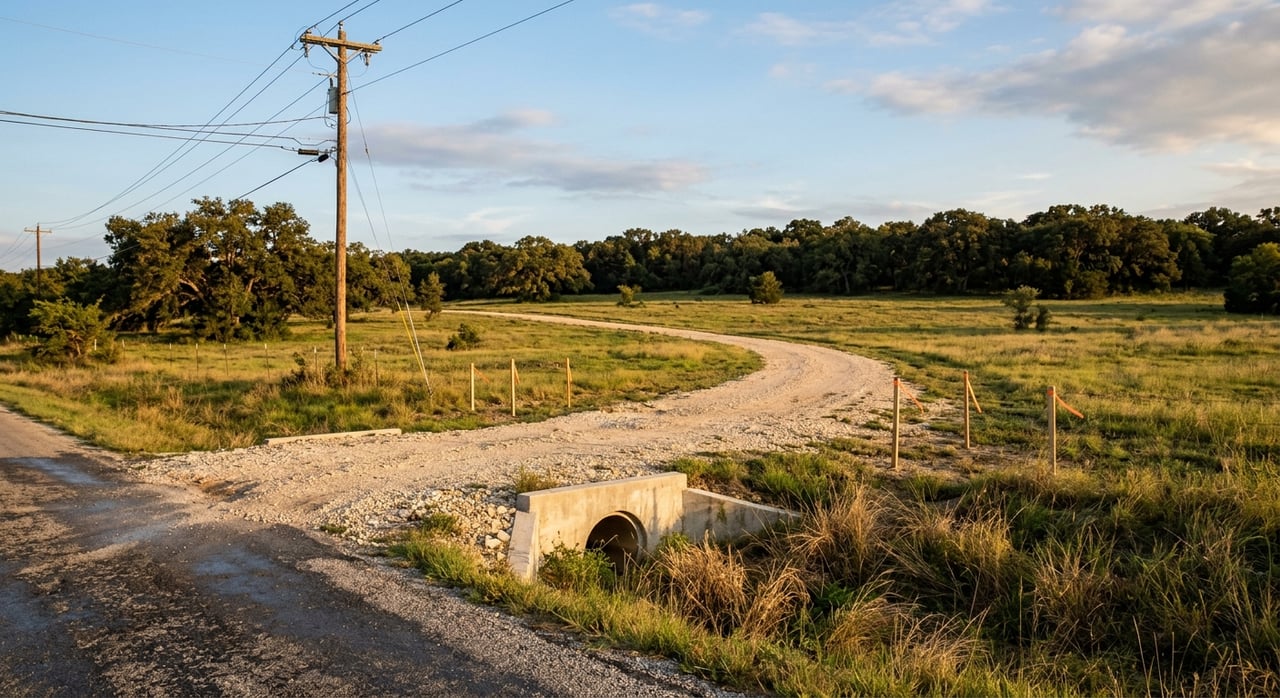
The precinct also requires permits for culverts in the county right-of-way and says no driveway or utility construction may begin there without a permit. If access improvements are part of your plan, this is an important item to verify in advance.
The county’s 911 Addressing office mainly assigns addresses in unincorporated areas. It also names easements and roads under county standards.
That may sound administrative, but it can matter when you are confirming legal access, planning improvements, or preparing for future construction.
If a tract depends on a private well, buyers should also check the Upper Trinity Groundwater Conservation District. Its boundaries include Parker County, and its permanent rules require operating permits for wells that are not exempt.
The same rules say some wells used solely for domestic, livestock, poultry, or agricultural use are exempt from permitting, reporting, fee payment, and metering. Even so, you should verify the current status of any well and whether any other local authorizations apply before closing.
If you are buying your first acreage tract in Parker County, start with these practical questions:
Parker County offers a wide mix of property types, from neighborhood homes to ranch land and future development tracts. That variety is a big part of the appeal, but it also means every property deserves careful review based on its location, access, utilities, and intended use.
When you understand land use as a stack of rules instead of a simple listing label, you are in a much better position to make a smart decision. The goal is not to make the process feel harder. It is to help you buy with clear expectations and fewer surprises.
If you are weighing homesites, ranch property, or acreage in Parker County, working with a local team that understands both the market and the practical questions behind the land can make the process much smoother. Start your home or land journey and connect with Lori Mayo Real Estate Group.
Stay up to date on the latest real estate trends.