How to Sell a Ranch or Farm in Parker County
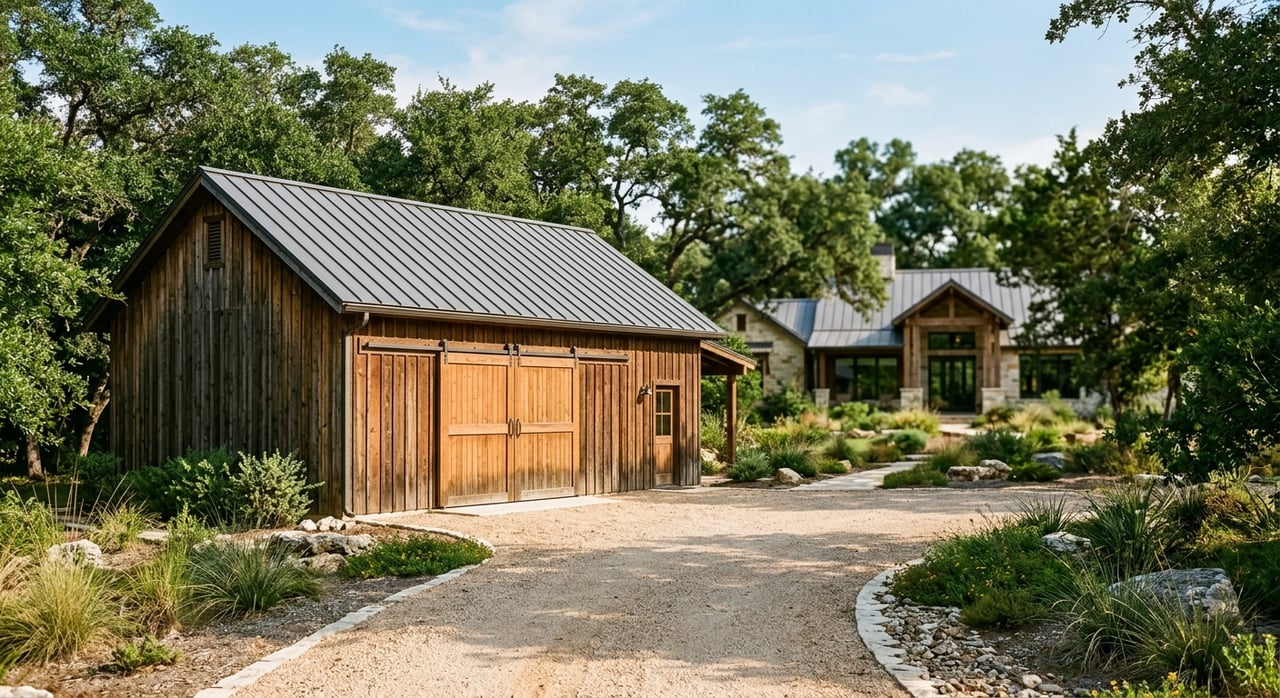
If you are getting ready to sell a ranch in Parker County, first impressions matter fast. Buyers often decide within minutes whether a property feels usable, well managed, and worth a closer look. The good news is that a few smart prep steps can help your ranch show better, photograph better, and move through the listing process with fewer surprises. Let’s dive in.
When buyers pull up to a ranch, they are usually sizing up access, condition, and usability right away. In a growing county like Parker County, where the population reached an estimated 184,767 in July 2025, buyers often compare several acreage options quickly.
That means your ranch should be easy to understand from the road and across the property. Clear access, visible upkeep, and a layout that reads well can help buyers feel confident from the start.
Broken fence lines and weak gate hardware should move to the top of your prep list. Parker County Appraisal District procedures list adequate fencing and a securable gate as management factors, which means these items matter not only to buyers but also to how the property presents as working land.
You do not have to make every foot of fencing look brand new. But you should repair obvious problem spots, make sure gates open and latch properly, and remove anything that creates a neglected first impression.
Before you spend money on driveway or access improvements, confirm what kind of road frontage you actually have. Parker County notes that not every road in the county is county-maintained, so frontage may be private, city, county, or maintained by TxDOT.
That distinction matters because access work may involve different rules or approvals. In Precinct 2, for example, no driveway or utility construction may proceed without a permit, and culvert type and placement must be approved before installation.
Parker County appraisal procedures say appraisers may verify agricultural use with aerial photography and site inspections. That means your ranch should look clearly maintained from the ground and from above.
Mow around improvements, clean up scattered debris, and make key features easy to see. Buyers should be able to quickly identify fences, drives, ponds, barns, sheds, and usable acreage without guessing what they are looking at.
Aerial media is especially helpful for ranch listings because it shows the full layout in a way ground photos cannot. It can also help buyers understand how improvements, pasture, access points, and water features relate to each other.
The FAA treats commercial aerial photography for real estate as a Part 107 operation. In general, small drones are flown within visual line of sight and at or below 400 feet above ground level in uncontrolled airspace, while flights in controlled airspace require authorization.
You do not need a perfect ranch to benefit from drone photography. You do need a property that is easy to read from above.
Try to remove visual clutter around barns, equipment areas, and homesites. If there are brush piles, unused materials, or old equipment parked in prominent areas, moving them can make your acreage look more organized and easier to understand in listing media.
Safety should be part of your listing prep. Parker County Animal Control handles animals running at large, estray livestock, and rabies control in unincorporated areas, and the countywide leash law requires dogs to be contained or leashed.
Before showings or drone shoots, make sure pets and livestock are secured. That helps protect visitors, vendors, and animals while also making the property easier to tour.
One of the most important parts of ranch listing prep happens before photos ever begin. If your land is receiving agricultural or open-space appraisal, get your records together early so you can answer buyer questions clearly.
In Texas, this is a special appraisal based on productivity value, not market value. It is not the same thing as a true tax exemption, and that distinction matters when you are preparing to sell.
The Texas Comptroller says qualifying land must be principally devoted to agricultural use, meet local intensity standards, and show at least five of the past seven years of qualifying use. Parker County Appraisal District procedures follow that same general framework.
For sellers, that means your file should support current use and use history as clearly as possible. If a buyer asks how the property has been used, you want that answer to be straightforward and well documented.
Parker County says useful proof can include:
If your ranch has agricultural valuation, start gathering these items before the listing goes live. Organized records can help reduce confusion and make the property easier for buyers and title professionals to evaluate.
If your property is smaller or has mixed uses, check the county standards early. Parker County’s published standards list example acreage thresholds for some uses, including 5 acres for improved pasture, 10 acres for native pasture, and 20 acres for wildlife management.
That does not mean every tract fits neatly into one category. It does mean you should review how your land is being used and whether your current documentation matches that use.
Wildlife management can qualify as agricultural use in Texas when the land previously qualified. If your ranch is under wildlife management, be sure your paperwork is current before listing.
Parker County procedures say the annual wildlife-management plan must be filed each year between January 1 and April 30. If that applies to your property, confirm that your records are complete and easy to share when questions come up.
A common mistake sellers make is assuming the agricultural valuation simply carries over to the buyer. Parker County says a new owner must file a current application after a deed change if they want the special valuation to continue.
The Texas Comptroller also makes clear that the land must meet current-use and history requirements. In other words, the benefit does not automatically transfer just because the property had it before.
When buyers ask about ag status, it helps to explain it in plain language. You can tell them the property may currently receive special appraisal based on productivity value, but the new owner must submit the proper application and the land still has to qualify under current rules.
The current application referenced by the Texas Comptroller is Form 50-129. You do not need to turn your listing into a tax seminar, but you should be ready with accurate basics.
Rollback tax is not a staging issue, but it is absolutely a listing-prep issue. If land receiving agricultural appraisal changes to a non-agricultural use, the Texas Comptroller says the party changing the use owes rollback tax for the previous three years.
Parker County’s procedures say the same, and they add that 1-d property may also accrue interest. That is why this topic should come up early if there is any chance the buyer may change the use after closing.
If a possible use change is part of the conversation, your title team and the buyer need to know. Addressing that early can help set expectations and reduce last-minute confusion.
This is one more reason organized records matter. A well-prepared listing file helps everyone understand the property as it sits today and what questions may need attention before closing.
Ranch properties are different from typical residential listings because buyers often need to evaluate more land, more improvements, and more moving parts. A thoughtful showing plan can make the experience smoother.
Start by deciding what route best shows the property. Think about where buyers should enter, what they should see first, and whether there are any areas that need extra attention before tours begin.
Before showings, make sure gates work, drive paths are passable, and animals are contained. Remove obvious trip hazards around barns, pens, and equipment areas.
If there are features buyers may not immediately understand, presentation matters. A ranch does not need to look fancy, but it should feel functional, cared for, and easy to navigate.
The best ranch listings do more than look good in photos. They answer questions before buyers have to ask them.
In Parker County, that often means combining physical prep with document prep. When your fences, gates, access points, and aerial presentation are in order, and your ag-related records are organized, your property is easier to market and easier for buyers to evaluate with confidence.
That is where local guidance can make a real difference. If you want help positioning your Parker County ranch for the market with strong presentation and informed acreage strategy, connect with Lori Mayo Real Estate Group.
Stay up to date on the latest real estate trends.