What Full-Time Eagle Mountain Lake Living Is Really Like
Thinking about making Eagle Mountain Lake your full-time home? It can be a great fit if you want everyday access to water, open space, and a more outdoors-focused routine while staying within reach of Fort Worth. The key is knowing that life here feels different from a typical inland neighborhood, and this guide will help you understand what to expect before you buy. Let’s dive in.
Eagle Mountain Lake is a TRWD-owned reservoir in northwestern Tarrant County, about 5 miles northwest of Fort Worth. It supports flood control, water supply, irrigation, and recreation, which means you are living around a working lake system, not just a scenic backdrop.
That distinction matters in daily life. Full-time living here often includes keeping an eye on lake conditions, planning around changing water levels, and understanding that recreation and infrastructure share the same space.
According to TPWD, the lake is roughly 8,500 to 8,700 acres with about 93.5 miles of shoreline and a maximum depth of 47 feet. It is large enough to support a true lake lifestyle, but it also comes with the practical realities of reservoir ownership.
One of the biggest adjustments for full-time lake living is water level fluctuation. TPWD lists typical fluctuation at 2 to 9 feet, so conditions can look different throughout the year.
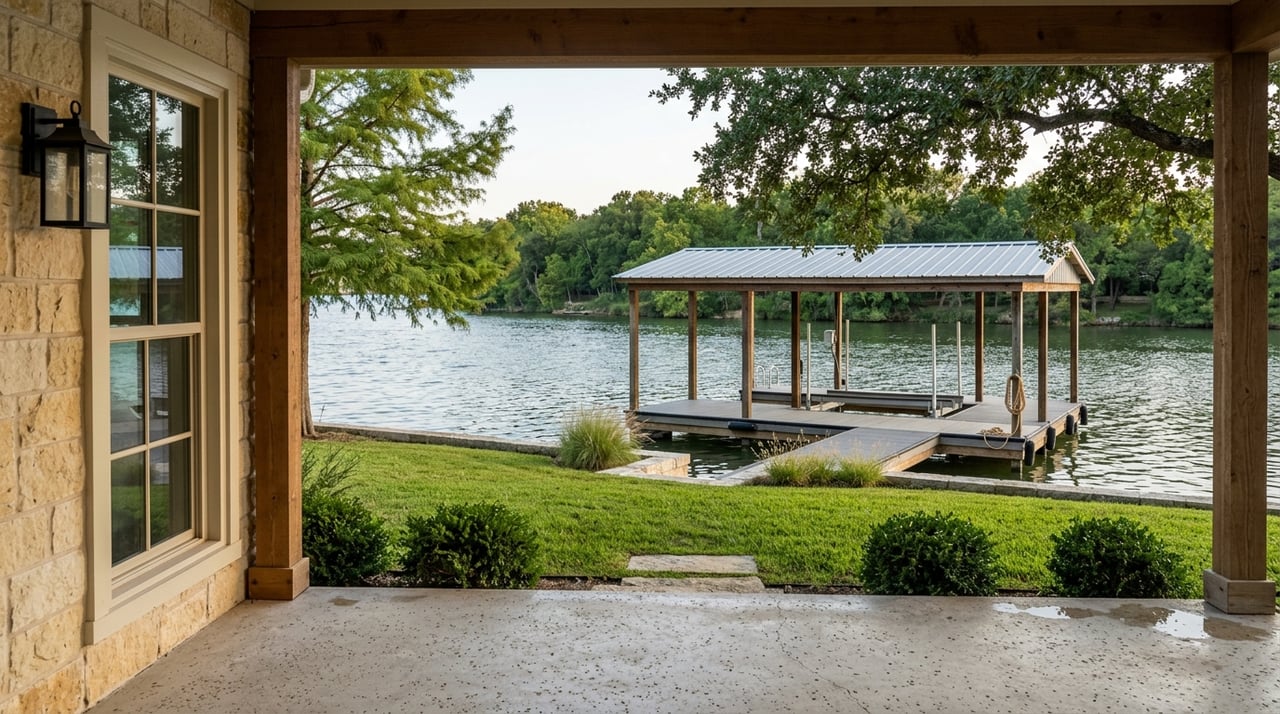
If you are buying on or near the water, this can affect how you think about dock access, shoreline use, and maintenance. A home that feels effortless during one season may require a different routine during another.
This is one of the most important mindset shifts for buyers. Living on Eagle Mountain Lake is not only about the view. It is also about adapting to a managed water system with changing conditions.
For many residents, the lake is not just something to look at from the back patio. TPWD lists largemouth bass, spotted bass, channel catfish, white bass, and white crappie among the predominant species, which helps explain why fishing remains part of the lake’s year-round appeal.
At the same time, TPWD notes that shoreline fishing access is limited and zebra mussels are established in the lake. In practical terms, that can make docks, boat access, and ongoing maintenance more important for full-time owners than simple bank access.
If boating is part of your lifestyle, zebra mussels also add another layer of responsibility. TPWD warns boat owners to clean, drain, and dry gear before moving between waters.
A big surprise for many buyers is how varied the housing stock can be. Eagle Mountain Lake does not offer one single look or one standard type of neighborhood.
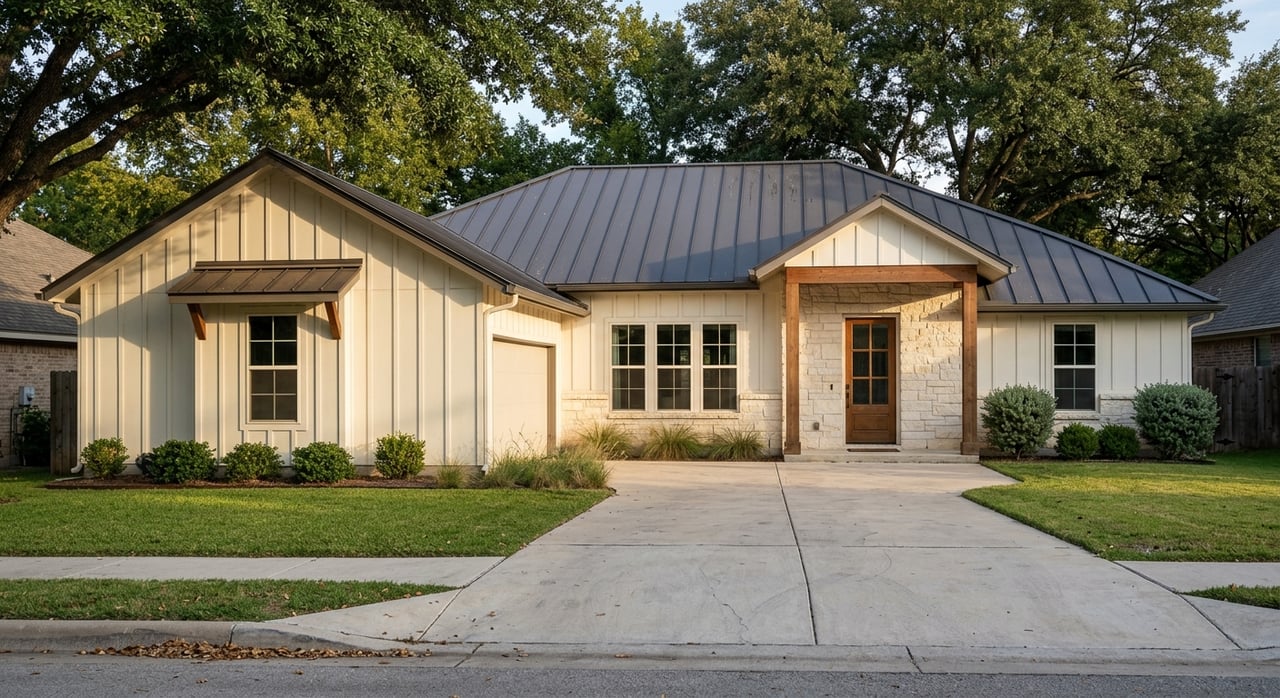
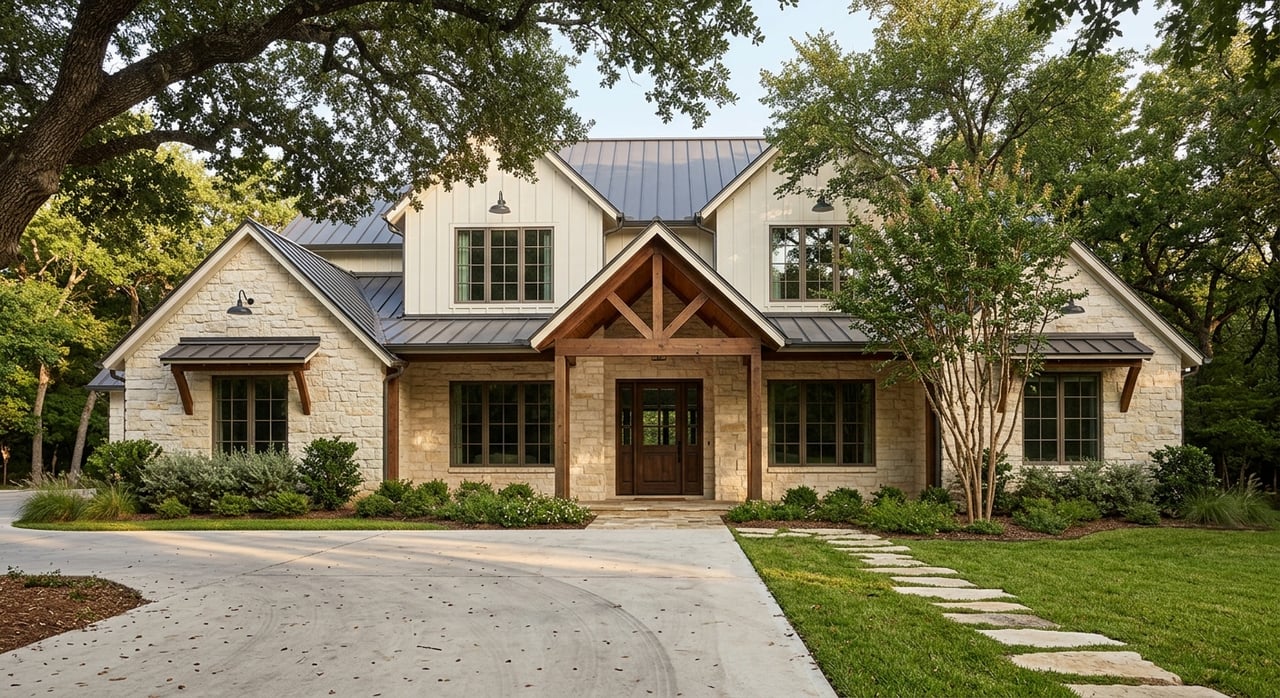
Recent listing examples in the research show a range that includes 2000s-era custom homes in gated communities, older lakefront homes on acre-plus lots with private boathouses, and waterfront parcels that can support new construction. That mix creates options for buyers who want different levels of privacy, land, and neighborhood structure.
The Resort at Eagle Mountain Lake HOA describes its community as a 540-acre master-planned neighborhood. That helps explain why some parts of the lake feel more planned and uniform, while others feel more organic, private, and shaped by irregular shoreline lots.
For buyers, the takeaway is simple. You will want to match the property type to the way you actually plan to live, not just the image you have of lake living.
Some buyers assume lake living automatically means fewer restrictions. Around Eagle Mountain Lake, that is not always the case.
Texas Law Help explains that deed restrictions can regulate property use and the size, location, and design of structures. The Texas State Law Library notes that most associations must provide governing documents and a resale certificate to a buyer who requests them.
That means due diligence is essential before closing. You should review CC&Rs, architectural rules, and association records early so you understand what is allowed and what requires approval.
The Resort HOA offers a useful local example. Its published rules state that any modification, repair, replacement, removal, or addition to property or to the exterior of a home requires an ACC request and written approval.
This does not mean every neighborhood has the same level of oversight. It does mean you should never assume flexibility without checking the documents first.
Many full-time residents choose Eagle Mountain Lake because it offers a more spacious setting while staying connected to Fort Worth. Still, daily mobility here is generally built around driving.
TRWD says Twin Points Park is about 15 miles northwest of Fort Worth, which helps frame the lake’s relationship to the city. For many households, that means regular access to Fort Worth is realistic, but errands, work, and entertainment usually involve getting in the car.
The area is better understood as car-oriented than walkable. TxDOT is studying SH 199 and I-820 improvements aimed at mobility, capacity, and safety in this northwest corridor, which highlights how important roadway access is for the area.
One of the best parts of full-time living on Eagle Mountain Lake is that recreation is not reserved for weekends. It becomes part of your normal routine.
Twin Points Park offers a swim beach that is open from Memorial Day weekend through Labor Day, while its boat ramp is open 24/7 year-round. Eagle Mountain Park, a 400-acre park on the northwest side of the lake, is open daily from 30 minutes before sunrise to 30 minutes after sunset.
That creates a different lifestyle rhythm than many inland neighborhoods. You may spend summer mornings on the water, spring weekends handling dock or yard tasks, and cooler days using local trails and outdoor spaces.
| Season | What daily life often looks like |
|---|---|
| Summer | Peak water use, boating, fishing, and swim season |
| Spring | Storm awareness, rising maintenance needs, active outdoor use |
| Fall | Continued trail use, yard work, dock care, and shifting weather |
| Winter | Quieter lake activity, freezes, and more routine property upkeep |
NOAA climate normals for Dallas/Fort Worth show an annual mean temperature of 66.6 degrees, about 20 days each year with highs at or above 100 degrees, and about 29 freezes per season. Nearby Fort Worth Nature Center normals also show precipitation tends to peak in late spring and again in October.
In plain terms, the weather supports year-round outdoor living, but it also asks more of your property over time. Heat, storms, and seasonal change are part of the ownership equation.
Eagle Mountain Lake can offer more space, water access, and a stronger outdoor identity than many inland northwest Fort Worth neighborhoods. For the right buyer, that trade can feel well worth it.
Still, the lifestyle is not effortless in every season. You may be taking on more driving, more climate exposure, and sometimes more HOA review than you would in a denser neighborhood farther from the water.
That is why the best move is to think beyond the postcard version of lake life. You want a home and setting that support your daily routine, your commute, and your comfort with maintenance and community rules.
Full-time living on Eagle Mountain Lake often works best when you want more than occasional recreation. It is a strong match if you value space, outdoor access, boating or fishing, and a home environment that feels distinct from standard suburban living.
It may require a little more planning if you want easy walkability, minimal exterior upkeep, or complete freedom to change a property without approvals. Neither path is better. It simply depends on how you want to live day to day.
A local, place-based view is especially helpful here because the lake is not one-size-fits-all. The right home can look very different depending on whether you want gated community structure, an older waterfront lot, or a build-ready parcel.
If you are weighing a move to Eagle Mountain Lake, the best next step is to compare lifestyle, lot type, and neighborhood rules before you fall in love with the view. The team at Lori Mayo Real Estate Group brings local North Texas insight and hands-on guidance to help you find the right fit.
Stay up to date on the latest real estate trends.