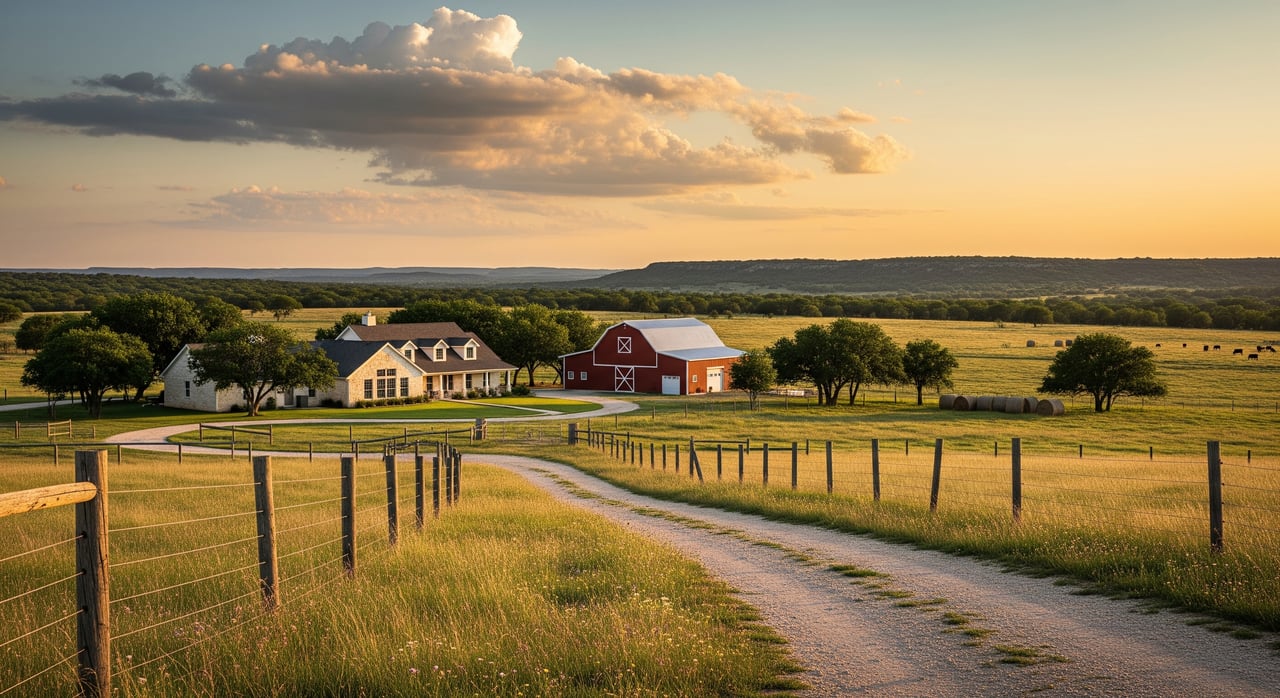
Heard people talk about an “ag exemption” in Parker County and wondered what it really means for your taxes and your land plans? You are not alone. Many buyers look at acreage because of lower holding costs, then find out rules, deadlines, and rollback taxes matter a lot. In this guide, you will learn how agricultural valuation works in Parker County, what typically qualifies, how to apply, and how to avoid rollback surprises. Let’s dive in.
Ag valuation, not a full exemption
Texas law allows a special agricultural or open‑space valuation that can lower your taxable value by using the land’s productivity instead of its market value. You still pay property taxes, but often on a much lower number.
Here are the common special appraisals you will hear about:
- Agricultural or open‑space appraisal for land used to produce livestock, crops, or forage.
- Timberland appraisal for land in timber production.
- Wildlife management appraisal for land managed under specific wildlife practices.
Local administration happens through the Parker County Appraisal District (PCAD). PCAD reviews applications, checks land use, and grants or removes the special valuation based on Texas law and local standards. This is different from a homestead exemption and is not a total tax exemption.
What qualifies in Parker County
The key test is actual agricultural use, at a level and in a way that meets state law and local practice. PCAD evaluates what is happening on the land, not just your intent.
Typical qualifying uses
- Grazing and livestock production, such as cattle, sheep, or goats
- Crop or forage production, including hay
- Pasture and range managed for production
- Commercial horse operations, such as breeding, boarding, or training that meet agricultural standards
- Commercial nursery or orchard operations
- Wildlife management under a specific plan and documented practices
Uses that usually do not qualify
- Purely recreational use, occasional riding, or hobby animals without a commercial production component
- Residential yard or homesite areas not in production
- Commercial development or subdivision that removes land from production
- Uses that are incompatible with productivity, such as paved parking or non‑agricultural buildings
Local standards matter
Each appraisal district can interpret intensity and documentation requirements a little differently. In Parker County, contact PCAD early to confirm how they apply acreage minimums, animal units, and proof of use for your specific property. Getting clear guidance up front saves time and reduces risk.
How to apply and when
To receive agricultural or wildlife valuation for a given tax year, you must file with PCAD by the statutory deadline. In Texas, a common deadline is April 30 for that tax year. Confirm the current year’s timeline with PCAD.
What to submit
PCAD typically asks for a completed application plus objective evidence that shows continuous use. Useful items include:
- Aerial photos, parcel maps, or plats that outline use areas
- USDA FSA and NRCS maps that document acreage and land use history
- Production records, such as hay baling receipts, cattle sales, or boarding and breeding contracts
- Signed leases if you lease the land to a producer
- Receipts for feed, seed, fertilizer, fencing, water, or equipment related to production
- Bank records, ledgers, or tax returns that show agricultural income and expenses, if relevant
- Photos that show livestock, crops, hay storage, or infrastructure
- For wildlife management, a written plan plus records of required practices and dates
Tip: Multi‑year records are powerful. FSA and NRCS documentation, maps, and consistent photos help show continuity of use.
New owners and changes
If you buy land that already has an agricultural valuation, do not assume it transfers automatically. You should file your own application with PCAD by the deadline to continue the special appraisal. Parcel splits, new plats, and subdivisions can trigger a new review of eligibility. PCAD may also inspect on site, so maintain organized records.
Rollback taxes explained
Rollback taxes can apply when land that had agricultural valuation changes to a non‑qualifying use. The rollback collects the tax difference between market value and productivity value for prior years, plus interest.
What triggers rollback
- Converting land from agricultural use to a non‑qualifying use, such as building non‑ag lots or commercial use
- Subdividing land in a way that removes all or part from production
- A sale by itself does not trigger rollback, but post‑closing changes in use can
Texas uses a multi‑year look‑back. A five‑year period is commonly referenced, plus interest. Always confirm the exact calculation and any exceptions with PCAD or the Texas Comptroller’s guidance.
Who pays
The rollback assessment goes to the owner of record at the time the change in use occurs. If the seller changed the use before closing, the seller is typically assessed. If you change the use after you buy, you are typically assessed. In practice, buyers and sellers negotiate who covers any rollback tied to actions before or after closing.
Handle it in your contract
Protect yourself by addressing rollback taxes in writing. Common approaches include:
- Seller pays any rollback caused by pre‑closing actions
- Buyer assumes rollback only for changes after closing
- Prorate based on the date the change in use takes effect
Include representations about recent land use and request the past several years of tax bills and appraisal notices so you can gauge risk.
Buyer checklist for Parker County acreage
Work through this list during due diligence if you want to keep agricultural valuation or secure it later.
- Request from the seller: current appraisal notice, last several years of tax bills, prior agricultural or wildlife application, leases, and FSA maps.
- Call PCAD to confirm current status, the exact acreage under special valuation, and whether any change‑in‑use issues are pending.
- Ask the seller for a written statement about any land use changes in the last five years that could trigger rollback.
- Add a clear contract clause on rollback taxes, including who pays and under what conditions.
- If you plan to keep the land in production, calendar the April 30 filing deadline and start gathering documentation now.
- For complex plans, such as subdivision or development, consult a local property tax attorney or land specialist.
Seller notes if you plan to list acreage
A little preparation goes a long way with acreage buyers and their lenders.
- Organize proof of qualifying use, such as receipts, leases, maps, and photos, to support the current valuation.
- Disclose special appraisal status and any known risks to that status in your listing and contract documents.
- If you plan to change the use before closing, budget for potential rollback taxes and check timing with PCAD.
- Talk with PCAD early to understand how your plans could affect taxes and marketability.
Local resources and who to call
- Parker County Appraisal District (PCAD) for applications, status, deadlines, and inspections
- Parker County tax office for payment questions and tax receipts
- Texas Comptroller of Public Accounts for statewide rules on agricultural and timberland appraisal and rollback taxation
- USDA Farm Service Agency (FSA) for program maps and acreage records
- NRCS Web Soil Survey for soil and productivity data to support your file
- Texas A&M AgriLife Extension for practical best practices and wildlife management guidance
- Local property tax attorney for complex subdivision, development, or rollback disputes
Put it all together
Agricultural valuation can make owning land in Parker County more affordable, but it is not automatic. You must show qualifying use, file by the deadline, and keep good records. If you change the use, be ready for possible rollback taxes. The best move is to talk with PCAD early, collect objective proof of use, and write clear contract language that handles rollback risk.
If you are weighing acreage options, planning a split, or want a practical read on how ag valuation fits your goals, connect with the local team that handles Parker County land every day. Reach out to Lori Mayo Real Estate Group for straightforward guidance, contract strategy, and seasoned acreage marketing.
FAQs
What is an “ag exemption” in Parker County?
- In Texas, it is a special agricultural or open‑space valuation that taxes land based on productivity instead of market value, which lowers taxes but does not eliminate them.
Do I still pay taxes with ag valuation?
- Yes. The valuation reduces taxable value, but you still owe property taxes on that lower amount.
How do I get agricultural valuation as a new owner?
- File an application with the Parker County Appraisal District by the applicable deadline, provide documentation of qualifying use, and respond to any PCAD requests.
Does an existing ag valuation transfer when I buy land?
- Not automatically. You should confirm status with PCAD and file your own application to continue the special valuation after closing.
What are rollback taxes in Texas and when do they apply?
- Rollback taxes are additional taxes assessed when qualifying land changes to a non‑qualifying use, commonly recapturing multiple prior years plus interest.
Who pays rollback taxes in a land sale?
- The assessment goes to whoever owns the land when the change in use happens, and buyers and sellers often allocate responsibility in the purchase contract.
Can horse properties qualify for agricultural valuation?
- Yes, if operated as a commercial agricultural activity such as breeding, boarding, or training at a scale consistent with local standards; recreational use alone typically does not qualify.