Eagle Mountain Lake Living: A Buyer’s Guide

Dreaming of mornings on calm water and evenings on the dock? If Eagle Mountain Lake is on your list, you’re not alone. Buying on the water feels exciting, but it also comes with unique rules, maintenance, and logistics you’ll want to understand. In this guide, you’ll get a simple, practical look at everyday lake life, docks and marinas, permits, utilities, and a buyer checklist to make a confident decision. Let’s dive in.
Eagle Mountain Lake sits in Tarrant County and blends year-round neighborhoods with classic weekend and second-home living. You’ll see a mix of quiet residential pockets and more active areas near marinas. Daily life leans into time on the water, backyard gatherings, and caring for shoreline features like docks and bulkheads.
Expect a social rhythm that builds from late spring through early fall when boating and watersports are busiest. Off-season, the lake feels calmer, which many owners enjoy for fishing and peaceful views.
Public ramps and designated launch points ring the lake. Availability and parking can vary by location and season, and busy weekends and holidays fill up fast. Local rules establish no-wake zones and restricted areas, so plan to review current boating regulations before you launch.
Marinas typically offer covered and uncovered slips, fuel, pump-out, storage, repairs, and sometimes rentals or lessons. Slip demand is strong, and waitlists are common at desirable locations. Fees, membership rules, and transfer policies can differ from one marina to the next.
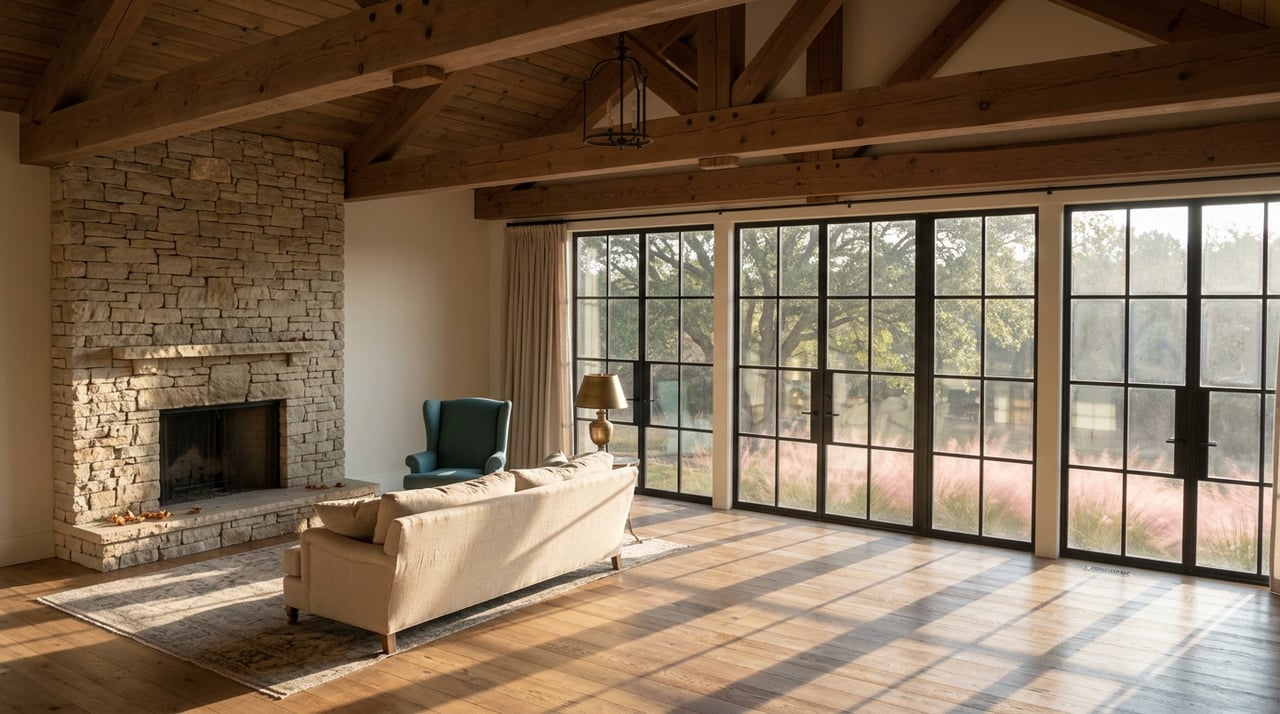
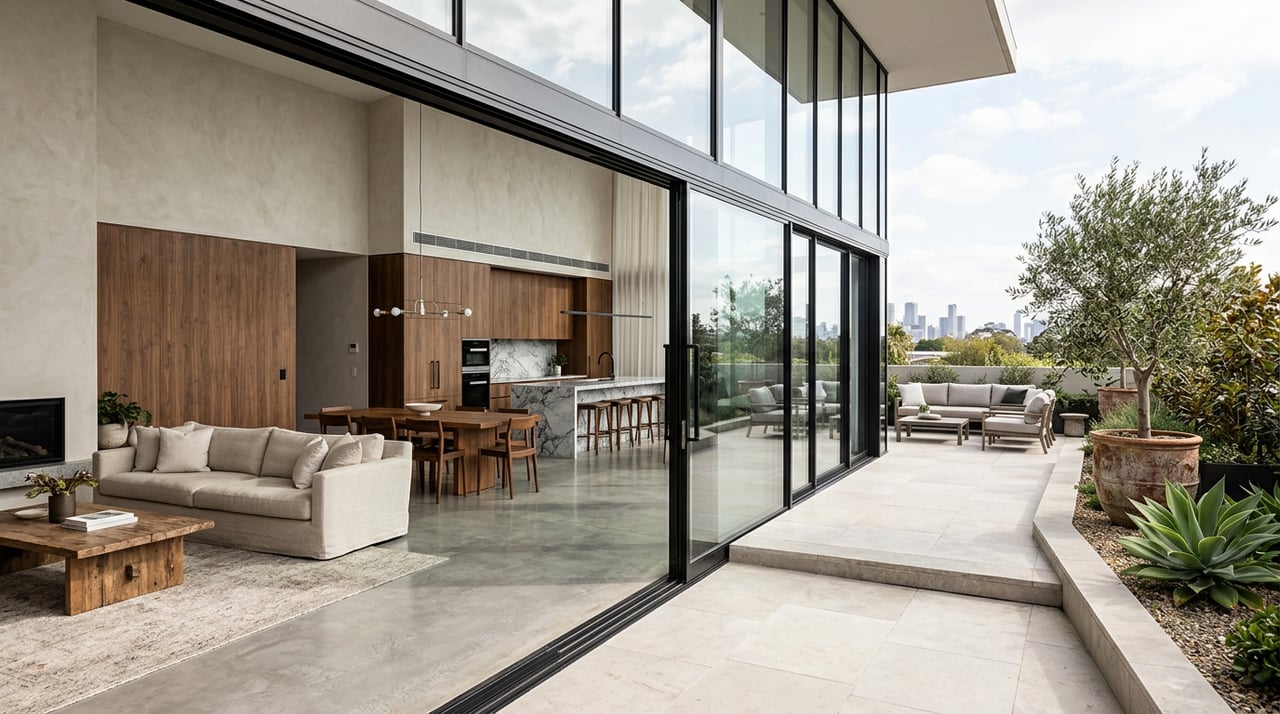
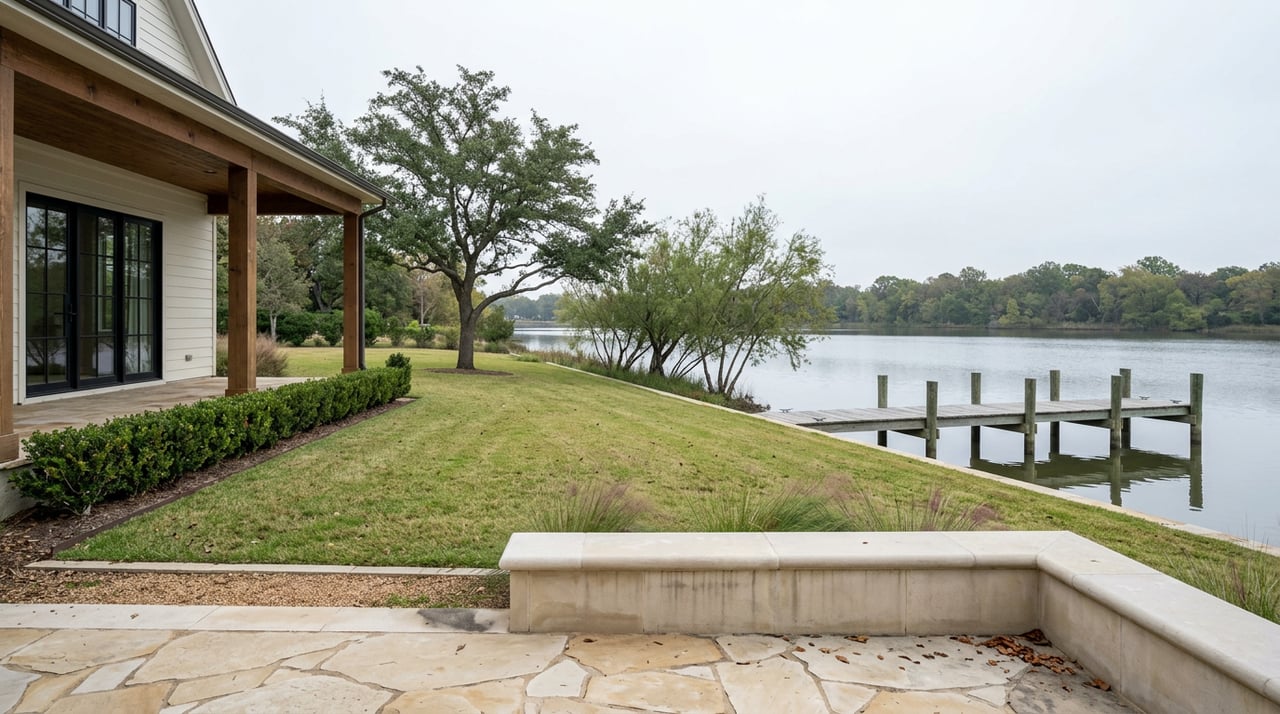
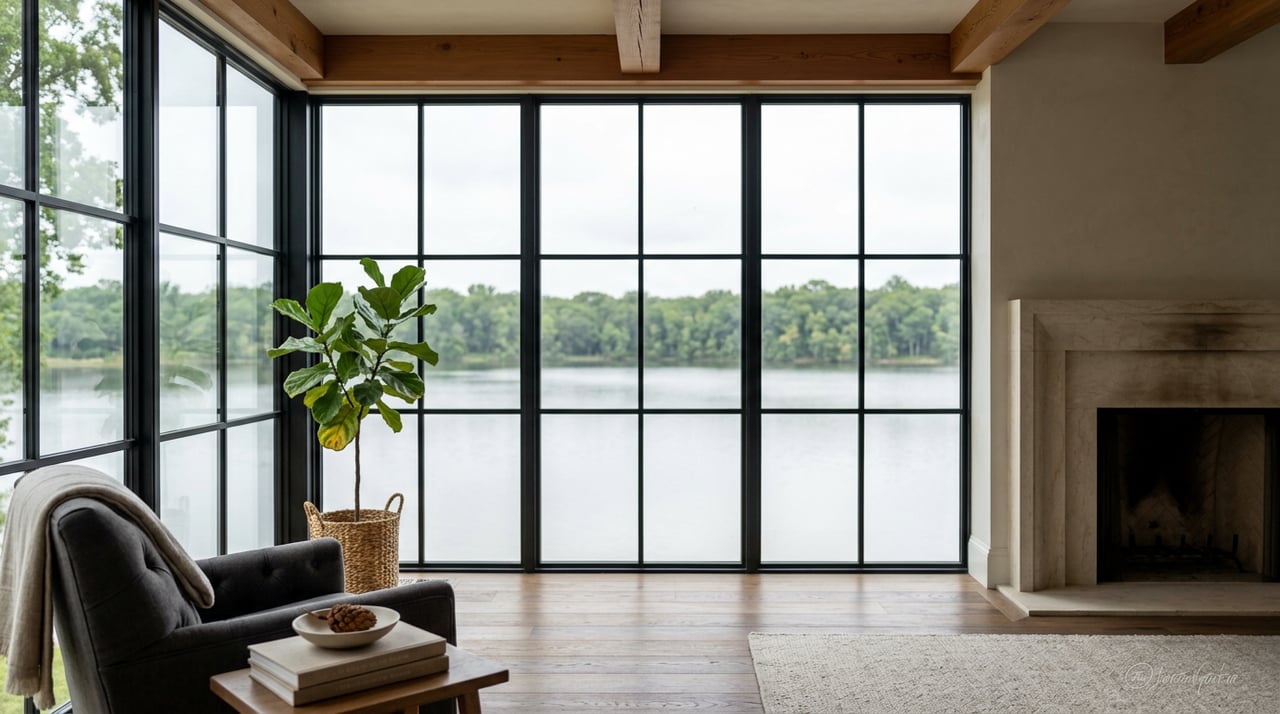
Lakefront homes often maximize water views with large windows, patios, and elevated living areas. On the water side, you’ll commonly find private docks, boathouses, lifts, and stairs down to the shoreline. Construction methods vary, which affects long-term upkeep and insurance.
Docks, seawalls, and bulkheads need regular inspection for rot, corrosion, and storm damage. Surface runoff and shoreline erosion can affect foundation stability if not managed with proper grading and drainage. Plan for periodic repairs and maintenance as part of ownership.
Waterfront boundaries are not always as simple as a fence line. Deeds, surveys, and easements determine where private ownership stops and public authority begins. Some work in or over the water, such as docks or boathouses, may require permits. On many reservoirs, the U.S. Army Corps of Engineers is involved in permits for structures at or below normal pool, and county or municipal permits may also apply.
Utility setups can vary around the lake. Some homes connect to municipal sewer and water, while others rely on septic systems and, in some cases, private wells.
Reservoir lakes can fluctuate with rainfall, drought, and water management. Water levels affect dock usability and the look of your shoreline across seasons. Heavy rains can bring temporary high water and erosion, while Texas spring and summer storms can stress docks, lifts, and bulkheads.
Water quality typically supports recreation and fishing. Like many lakes, seasonal algal blooms, including blue-green algae, can occur and are usually episodic. Aquatic plants and invasive species can also appear in certain seasons. Wildlife is part of the lake setting, from waterfowl to turtles and, at times, deer near the shore. Mosquitoes and insects are seasonal, so plan for property-level mitigation like drainage control and screening.
Safety matters on the water. Personal flotation devices, attention to no-wake zones, and knowledge of local rules go a long way. Emergency response times can vary around the lake, depending on municipal services and location, so confirm coverage for your specific neighborhood.
Eagle Mountain Lake sits within the broader Fort Worth metro area, but drive times vary widely depending on which side of the lake you choose. Map your commute to downtown, major employers, medical centers, and airports during peak hours. Nearby towns provide grocery, healthcare, and retail services, though you may have short drives for certain errands. If schools are part of your plan, verify assigned districts for the exact property address with local district resources.
Use this quick checklist to keep your lake purchase on track.
Title and boundaries
Permits and compliance
Flood risk and insurance
Structural and systems inspections
Marina and slip planning
Environmental and water quality
Utilities and services
HOA or deed restrictions
Local rules and ordinances
Waterfront living includes a few unique line items. Build these into your budget early.
Buying at the lake should feel clear and manageable. You deserve local guidance, steady communication, and a smooth path from tour to close. As a family- and veteran-led team rooted in the North Texas exurbs, we bring hands-on, place-based advice and a calm, results-focused approach. You get efficient property tours, context on neighborhood differences, and help coordinating the right inspections and local contacts so you can make a confident decision.
If you’re exploring a full-time lake move or a second home at Eagle Mountain Lake, we’re ready to help you compare shoreline options, confirm due diligence items, and prepare strong offers.
Ready to talk lakefront strategy and next steps? Connect with the Lori Mayo Real Estate Group to start your search with a trusted local team.
Stay up to date on the latest real estate trends.