Weatherford In-Town Homes Versus Outskirts Acreage
If you are trying to choose between a home in Weatherford and acreage on the outskirts, you are not just picking a property type. You are choosing how you want daily life to feel. In this part of Parker County, that decision often comes down to convenience versus space, and both options can make sense depending on your goals. This guide will walk you through the real differences so you can compare them with more clarity. Let’s dive in.
Weatherford is a growing city inside a much larger and expanding county. The U.S. Census Bureau reports a 2024 population estimate of 39,397 for Weatherford and 179,707 for Parker County, with both showing strong growth since 2020.
That matters because Weatherford offers a smaller-city setting with access to major regional routes. The city sits at the intersection of U.S. 180 and U.S. 80, with I-20 along the southern edge, and the City of Weatherford notes its connection to the wider Fort Worth job market and transportation network.
For you as a buyer, the local trade-off is pretty straightforward. In-town homes often make everyday logistics easier, while outskirts acreage usually gives you more land, more privacy, and more property-specific decisions.
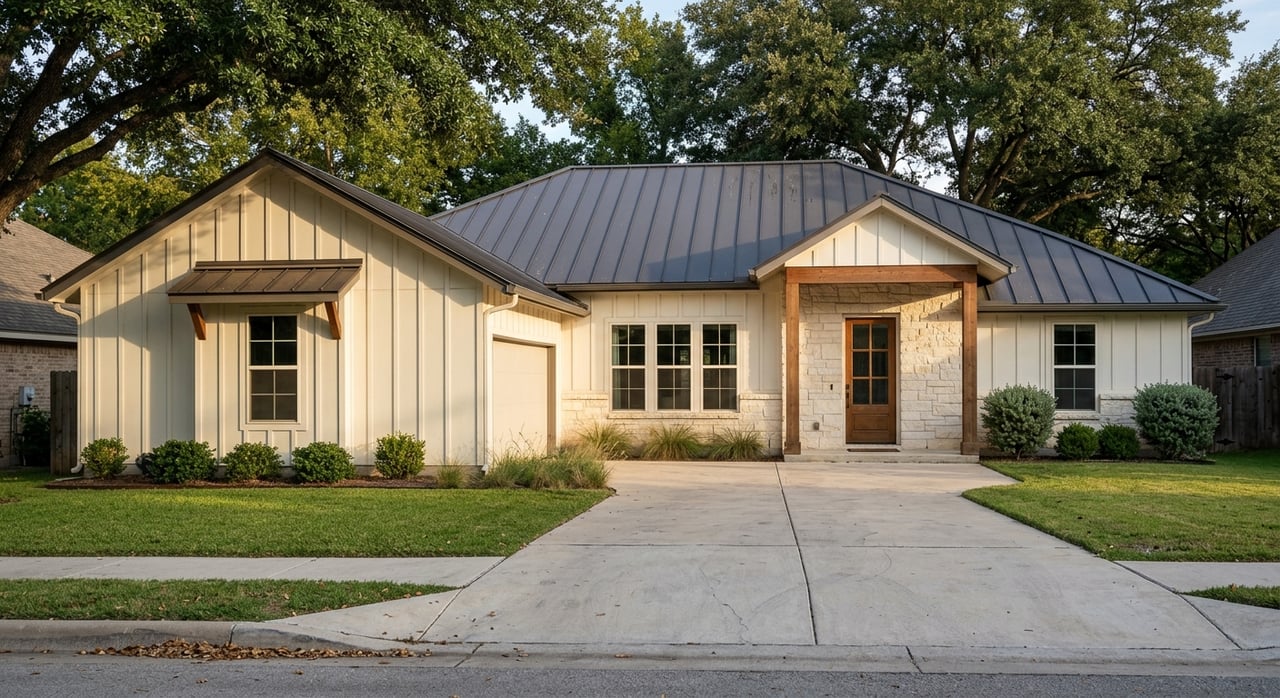
If your priority is easier access to services and amenities, living in town can be appealing. Properties inside city limits are more likely to connect to the city’s standard municipal systems, including water, wastewater, electric service, street maintenance, parks, recreation, and library services.
That service structure can make homeownership feel more predictable. Weatherford’s Streets Division maintains about 190 miles of streets and handles pothole repair, drainage, and even snow and ice operations, while the city’s water and wastewater system includes roughly 280 miles of water lines and 210 miles of wastewater lines.
Of course, you still want to verify what serves a specific address. But in general, an in-town property may come with fewer site-specific infrastructure questions than a more rural parcel.
Another advantage of living in town is how close you may be to the places many people use regularly. The City of Weatherford highlights the historic downtown, courthouse square, parks, and recreation amenities as part of everyday life here.
If you like being near local events, trails, or downtown businesses, that can shape your decision as much as the house itself. For some buyers, being able to get around with less planning is a major quality-of-life benefit.
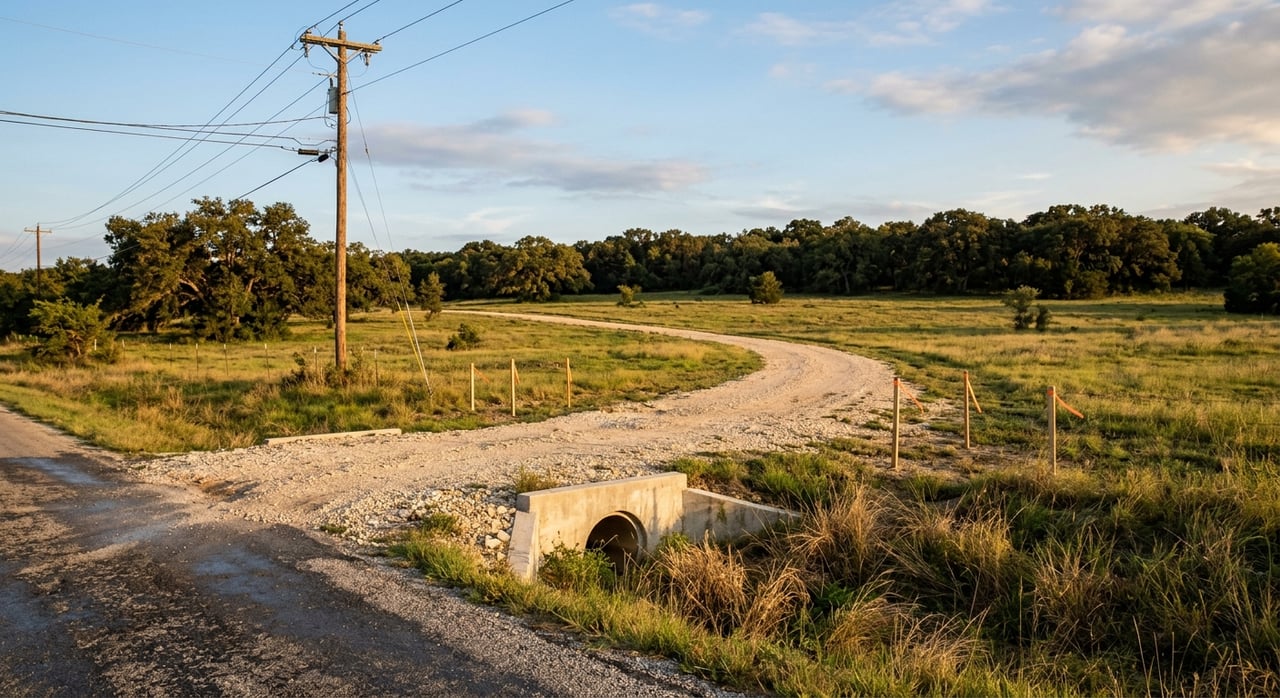
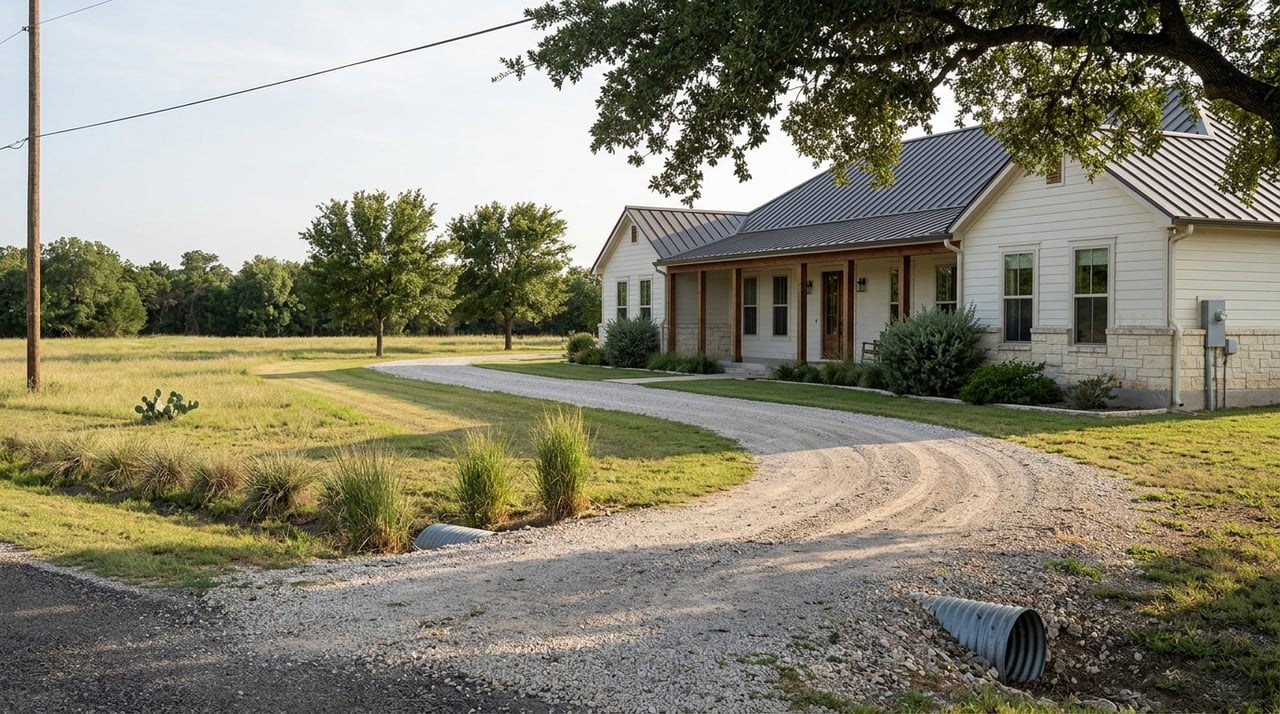
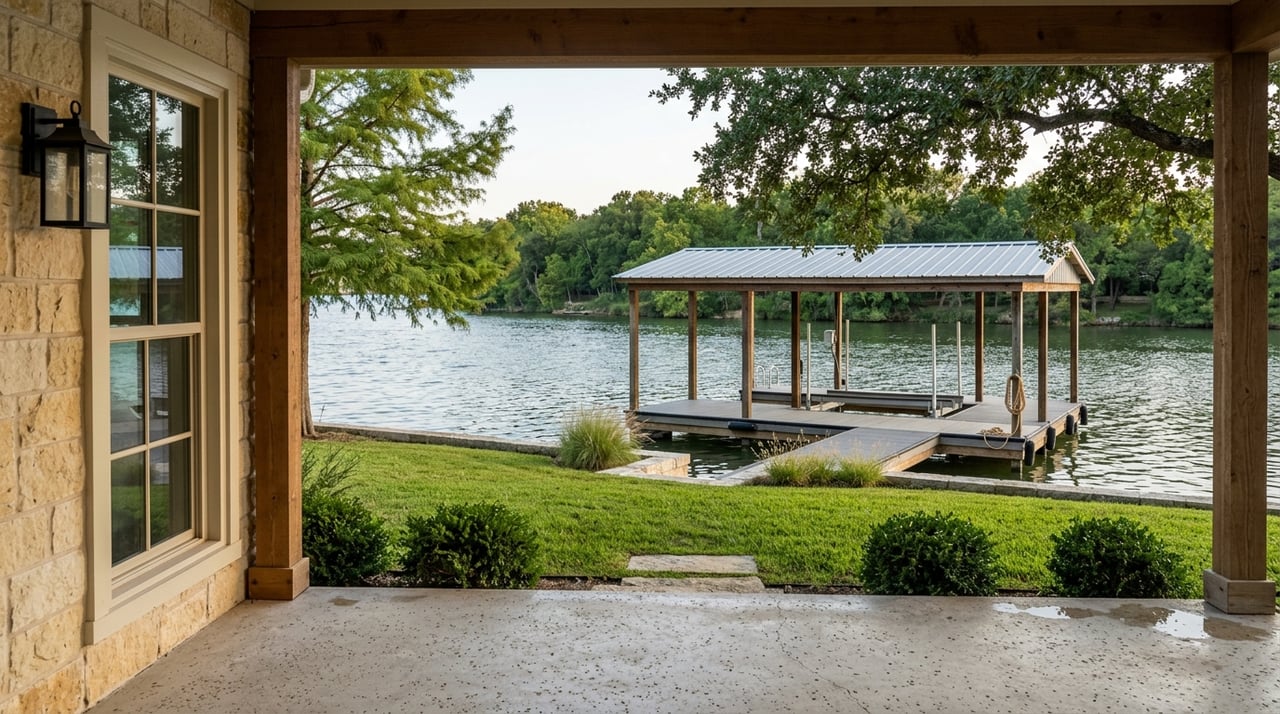
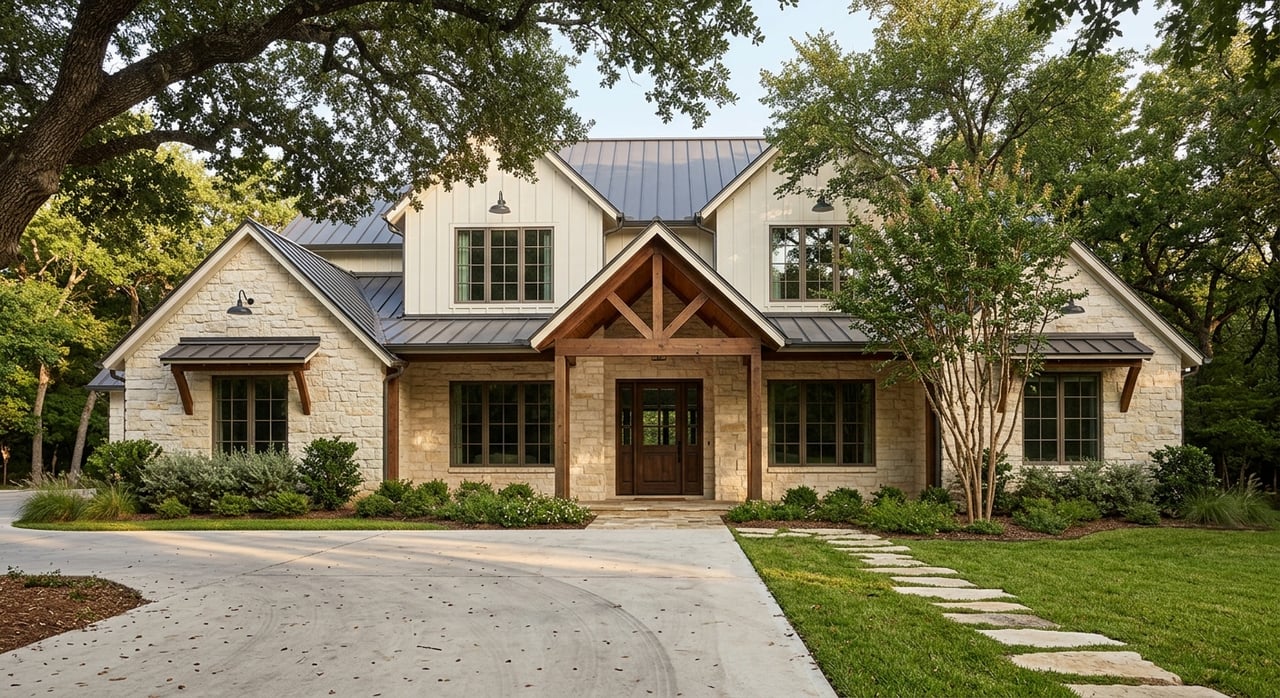
If you picture more elbow room, more separation from neighbors, or space for outbuildings and animals, acreage outside town may be the better fit. This is often the lifestyle draw that brings buyers to the edge of Weatherford and across Parker County.
The appeal is easy to understand. More land can give you more flexibility, whether you want extra outdoor space, room for projects, or a setup that feels more private.
The trade-off is that acreage usually requires more due diligence. Utility access, irrigation planning, and long-term maintenance can vary from parcel to parcel, so you want to look past the listing photos and study how the property actually functions.
One of the biggest differences between in-town homes and rural property is how utilities are handled. Weatherford’s official water rate information shows that water and wastewater service cost more outside city limits than inside city limits.
The city’s permit fee schedule also separately lists septic system and well permits, which is a useful reminder that some outskirts properties may rely on systems that need closer review. If a home is not on standard city utility connections, you will want to confirm exactly how water and wastewater service work before closing.
Texas A&M AgriLife explains that private well owners are responsible for maintaining water quality, and the Texas Commission on Environmental Quality regulates on-site sewage facilities such as septic systems. In practical terms, that means an acreage purchase often calls for extra inspection and verification.
Large lawns and landscaping can also change your planning. Weatherford has a year-round outdoor watering schedule, and sprinkler or irrigation use is limited to twice a week on the assigned schedule.
If you are looking at acreage with significant irrigated space, this is worth understanding early. A larger property may offer more outdoor freedom, but it can also require more intentional water management.
Some buyers focus first on lot size, then realize drive time is what shapes daily life most. In Weatherford, location within the city or farther out in Parker County can influence how much time you spend on the road.
The City of Weatherford notes that the city is about 30 miles west of Fort Worth. Census data shows a mean travel time to work of 25.1 minutes for Weatherford city, compared with 32.4 minutes for Parker County overall, according to the latest QuickFacts data.
That does not mean every acreage property comes with a long commute. It does suggest that, on average, homes farther from the city core often involve more drive time. If you commute regularly, those extra minutes can add up fast.
If school attendance boundaries are part of your home search, it is important not to assume a campus based on a neighborhood name alone. Weatherford ISD serves a broad area, not just the city center.
The city says Weatherford ISD serves 7,500 students across 11 campuses and 254 square miles. It also notes that the district uses an address-based School Zone Finder, and bus transportation is available at no cost for students living two or more miles from school.
For both in-town homes and outskirts acreage, the key is simple: verify the specific address. That step can help you avoid surprises later in the process.
Property taxes are another major comparison point. The City of Weatherford tax rate page lists current rates of $0.392246 per $100 for the City of Weatherford, $0.285070 per $100 for Parker County, and $1.0342 per $100 for Weatherford ISD.
Using those three layers only, the research estimate shows that a $300,000 home would face about $5,135 in annual taxes inside city limits versus about $3,958 outside city limits, before exemptions and any special districts. That is a meaningful difference, especially if you are comparing similar price points.
Texas property taxes are local, and the Texas Comptroller explains that exemption applications are filed with the county appraisal district. The state also requires a $140,000 residence homestead exemption for school taxes, and qualifying homeowners age 65 or older or disabled receive an additional $60,000 school exemption.
That means homestead status matters whether you buy in town or on acreage. It is not just a rural or city issue. It is part of smart long-term ownership planning either way.
If you are considering acreage, there may be another tax angle to review. The Texas Comptroller notes that qualifying land can receive open-space or agricultural special appraisal based on productivity value instead of market value.
That can lower the tax burden, but there is an important trade-off. If the land use changes, rollback tax may apply. For acreage buyers, this is one of the biggest reasons to understand not just the home, but also how the land is currently classified and used.
Both in-town homes and acreage can benefit from area growth. The Census Bureau reports that Weatherford grew 27.5% from 2020 to 2024, while Parker County grew 21.2% during the same period.
Growth can support demand, but resale is not identical for every property type. Acreage often attracts a more specialized buyer because the lifestyle, maintenance, and land-use questions are more specific than a typical in-town home.
Housing data also points to a different mix between city and county. In Parker County QuickFacts, the owner-occupied housing rate is 80.7% with a median owner-occupied value of $375,900, compared with 61.5% and $312,100 in Weatherford city. That does not isolate acreage-only sales, but it does show that the county and city have different housing profiles.
The best choice usually comes down to how you want to live day to day. If you value easier access to city services, shorter average commutes, and being closer to Weatherford’s downtown amenities, an in-town home may be the stronger fit.
If you want more land, more privacy, and more flexibility in how you use your property, outskirts acreage may give you the lifestyle you want. You just need to be ready for more parcel-specific research on utilities, irrigation, school zoning, and taxes.
A smart move is to compare more than price per square foot. Look at commute time, service setup, land maintenance, tax structure, and how each property supports your routine over the next several years.
Whether you are drawn to a home near the heart of Weatherford or land on the edge of town, the right guidance can help you weigh the details with confidence. If you are comparing homes, acreage, or relocation options across Parker County, connect with Lori Mayo Real Estate Group for local insight and hands-on guidance tailored to your goals.
Stay up to date on the latest real estate trends.